Lalvin D47 vs EC-1118 for a Spiced Autumn Apple Cyser
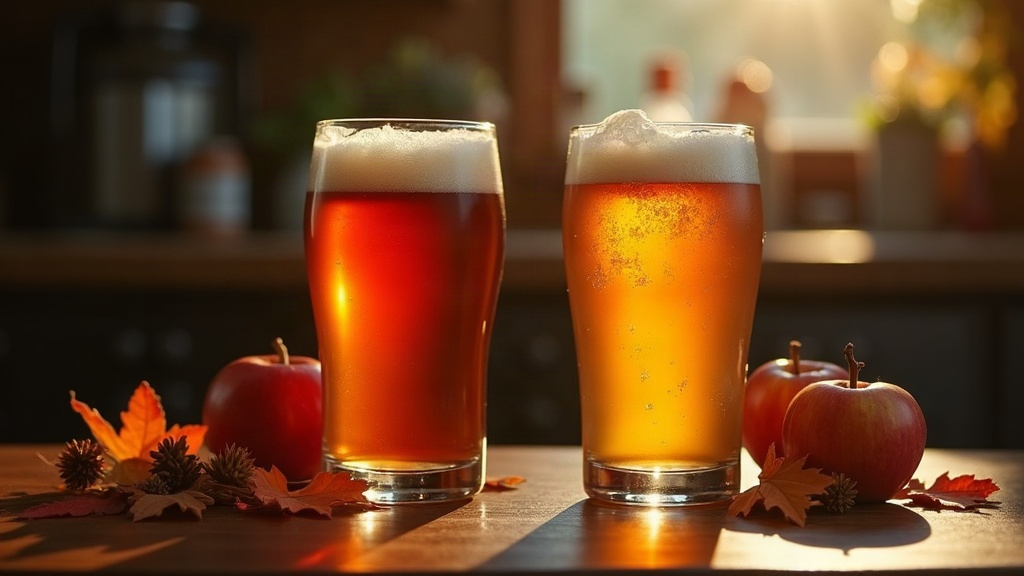
If you’re brewing a spiced autumn apple cyser, the yeast strain you pick is going to shape everything: the aroma, the mouthfeel, and how well that cinnamon-clove-nutmeg blend actually melds with the apple and honey base instead of just sitting on top of it. Lalvin D47 gives you a fruitier, more aromatic cyser with a soft, rounded body, while EC-1118 goes the other direction, clean, dry, and neutral, with fermentation reliability you can basically bet on. If you’re chasing that cozy, expressive fall drink most home cyser makers want, D47 is where to start. That said, EC-1118 isn’t just a fallback, it has genuine strengths worth knowing about.
What Is a Cyser, and Why Yeast Choice Matters More Here
A cyser is mead made with apple juice or cider in place of (or alongside) water, then sweetened with honey. Apples already carry their own esters, acids, and sugars, so the yeast behaves differently here than it would in a plain traditional mead. Throw warming spices into the mix, cinnamon, clove, allspice, nutmeg, and now you’ve got even more fragile aromatics that a fermentation can either lift up or completely flatten, depending on how the yeast behaves.
Lalvin D47: The Aromatic Choice
D47 has earned its fan base among mead makers, and not by accident. It started life in white wine production, particularly for Rhône varietals, and brings a few things to the table:
- Enhanced fruit esters — it pushes apple and stone-fruit notes forward instead of burying them.
- Glycerol production — the result is a fuller, silkier mouthfeel that plays nicely against honey’s sweetness.
- Moderate alcohol tolerance (around 14%), which covers most cyser recipes without issue.
- Slower, cooler fermentation (best kept at 59–66°F / 15–19°C) that holds onto volatile spice aromatics instead of letting them boil off.
The catch: push D47 too warm, or stress it through poor nutrition, and it can throw a slightly hot, solvent-y note, or worse, sulfur. Keep your fermentation temperature in check and stagger your nutrient additions (Fermaid-O is a solid choice) and you’ll sidestep most of that.
EC-1118: The Reliable Workhorse
EC-1118 is a champagne yeast, and its reputation for toughness is well earned across the whole industry. What it brings:
- Extremely high alcohol tolerance (up to 18%), a good fit if you want a stronger, more warming cyser.
- Fast, vigorous fermentation that wraps up clean and dry, with little chance of a stuck fermentation.
- Neutral flavor profile — it stays out of the way of your spice additions, so cinnamon and clove come through unmasked.
- Cold tolerance, handy if your brewing space runs on the cooler side once autumn hits.
The tradeoff for cyser specifically: EC-1118 can scrub away some of that delicate apple aroma, leaving behind something more “vinous” or austere. This is a strain engineered for consistency, not subtlety.
Side-by-Side for Spiced Apple Cyser
| Factor | Lalvin D47 | EC-1118 |
|---|---|---|
| Aroma retention | Excellent for apple/spice | Neutral, can mute fruit |
| Mouthfeel | Fuller, glycerol-rich | Leaner, crisper |
| ABV tolerance | ~14% | ~18% |
| Fermentation speed | Slower, gentler | Fast, vigorous |
| Best for | Sessionable, aromatic cyser | High-ABV, dry, stable cyser |
| Risk factors | Sulfur/hot notes if stressed | Can flatten spice complexity |
Which Should You Choose?
- Choose D47 if you’re aiming for a medium-ABV (10–13%), semi-sweet cyser where apple and spice are meant to be front and center. Think pumpkin-pie-adjacent, cozy autumn mead, the kind you serve warm on a porch in October.
- Choose EC-1118 if you’re going higher-ABV, drier, and planning to let the batch age a year or more, or if past batches have given you fermentation trouble and you just want something that finishes reliably.
- Consider a blend approach: quite a few brewers pitch D47 first, let it run for a week to build aromatic depth, then add EC-1118 if fermentation stalls out or needs a push toward full attenuation.
Practical Tips for Either Strain
- Add your spices after fermentation, either as a tincture or during a short secondary, rather than dumping them in the primary. This keeps the aromatic punch intact no matter which yeast you’re running.
- Rehydrate your yeast with Go-Ferm. Skipping this step is a common source of stress-related off-flavors.
- Ferment toward the low end of whichever strain’s temperature range you’re using, to protect those volatile apple and spice compounds.
- Wait to backsweeten until fermentation is fully done and the yeast is stabilized. This matters even more with EC-1118, given how thoroughly it attenuates.
Conclusion
If your goal is a spiced autumn apple cyser that really shows off orchard fruit and warm spice, Lalvin D47 is the stronger pick, thanks to how it lifts aroma and rounds out the mouthfeel. EC-1118 still has its place, though, whenever you need higher alcohol tolerance, dependable fermentation, or a cleaner, drier finish. Temperature control and post-fermentation spicing will honestly matter more than the strain you pick. Still, if you can only choose one for this year’s fall batch, go with D47. It’s the crowd-pleaser.