Why Your British Pale Ale Tastes Like Butterscotch: Diacetyl Rest
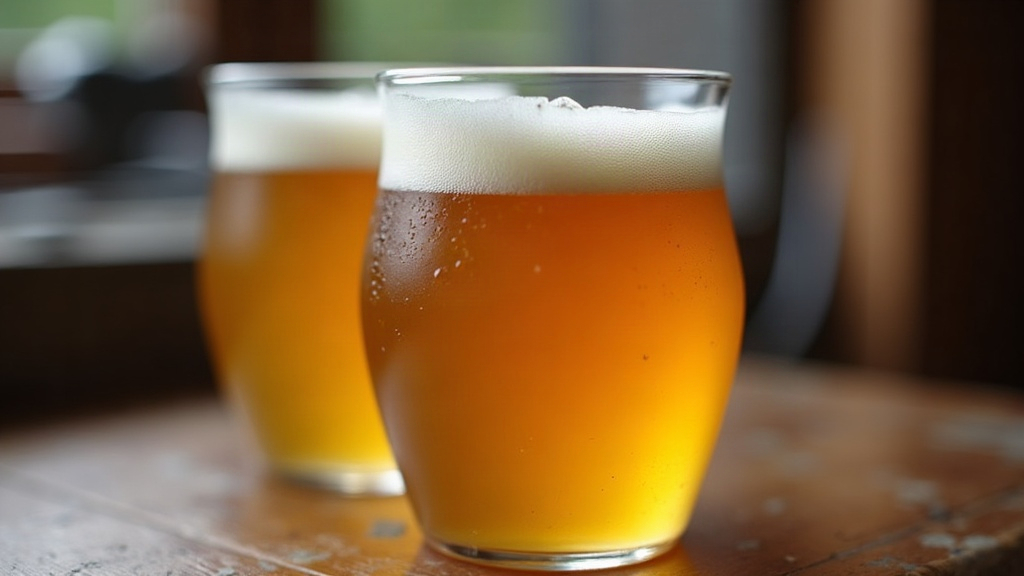
If your British pale ale tastes like butterscotch, movie-theater popcorn, or melted butter, you’re probably dealing with diacetyl. It’s a natural fermentation byproduct that yeast is supposed to clean up on its own. When that cleanup doesn’t happen, you end up with a slick, buttery flavor sitting on top of the crisp, biscuity malt character a British pale ale should have. The good news? The fix is well understood and pretty reliable: a proper diacetyl rest.
What Diacetyl Actually Is
Diacetyl, along with its lesser-known relative pentanedione, belongs to a group of compounds called vicinal diketones, or VDKs for short. They form during active fermentation as a natural side effect of yeast building amino acids. Under normal circumstances, healthy yeast reabsorbs these compounds toward the end of fermentation and turns them into something flavorless. No harm done.
Trouble shows up when:
- Fermentation gets rushed. The beer is crashed or packaged before the yeast has finished its cleanup pass.
- Underpitching or unhealthy yeast is involved. Stressed yeast produces more diacetyl in the first place, and it’s slower to reabsorb what it made.
- Fermentation temperature runs too low. English ale strains, in particular, slow way down on VDK reduction if they’re kept cool for the entire fermentation.
- Bacterial contamination is present. Certain bacteria, Pediococcus being the classic example, produce diacetyl continuously. No rest fixes that. If the buttery flavor is still there after a proper rest, contamination should be your first suspect.
British pale ales run into this problem a lot, mostly because many of the classic English yeast strains (Wyeast 1968 London ESB, WLP002, that sort of thing) are extremely flocculent. They drop out of suspension fast and can basically fall asleep before finishing the diacetyl cleanup.
How to Tell It’s Diacetyl (Not Something Else)
Diacetyl tends to show up as:
- Butterscotch or toffee candy
- Movie-theater popcorn butter
- A slick, oily mouthfeel that coats your tongue
It’s easy to mix up with plain malt sweetness at first, but real diacetyl has that unmistakable, almost artificial buttery quality. Malt alone never produces that on its own.
How to Perform a Proper Diacetyl Rest
A diacetyl rest simply means bumping the beer’s temperature up near the end of active fermentation, so the yeast speeds up and finishes reabsorbing VDKs before you cold crash or package.
Step-by-step:
- Time it right. Start the rest when fermentation is roughly 75-80% finished, usually when gravity sits within 4-6 points of your expected final gravity. Jump in too early and you risk incomplete attenuation. Wait too long and the yeast may already be dormant, doing you no favors.
- Raise the temperature. Bring it up to 68-72°F (20-22°C), even if primary fermentation happened cooler. For British strains normally kept at 65-68°F, nudging up to around 70°F is typically plenty. No need to chase the higher numbers sometimes used for lager diacetyl rests, which start from a much colder baseline.
- Hold for 2-4 days. Keep the beer at that resting temperature until gravity stabilizes and the diacetyl drops below what you can taste or smell.
- Don’t rack off the yeast too soon. The yeast cake is still doing the work here. Leave the beer sitting on it through the rest.
- Test before crashing. Got a spare sample? Warm it up a touch and taste for butteriness. No butterscotch means you’re clear to cold crash and package.
Prevention Beats Correction
Honestly, the best diacetyl rest is the one you never had to do. Cut the risk from the start by:
- Pitching enough healthy yeast. Use a starter, or a fresh pack sized correctly for your batch.
- Fermenting in the right temperature range the whole time, not just tacking on a rest at the end as an afterthought.
- Skipping the premature cold crash. Confirm gravity has actually stabilized first, every time.
- Giving fermentation enough time to finish. A British pale ale rushed off the yeast in 5 days is asking for trouble.
What If the Rest Doesn’t Work?
If the butterscotch is still there after a proper rest and a stable final gravity, timing probably isn’t the problem anymore. Look instead at:
- Contamination, from Pediococcus or wild yeast
- Yeast that was already dead or dormant before the rest even started
- Diacetyl picked up after fermentation, say from a dirty keg or bottling setup
At that point, it’s worth going back over your sanitation habits and yeast health rather than just running another rest and hoping.
Conclusion
Butterscotch notes in a British pale ale almost always point to unresolved diacetyl, and that’s fixable. It’s a fermentation hiccup, not a flaw baked into your recipe or ingredients. Watch for that 75-80% attenuation mark, warm the beer up slightly, and give the yeast a few extra days to wrap up its work. Do that consistently and you’ll get clean, crisp pale ales where the malt and hops actually get to shine instead of hiding under a layer of butter. When you’re not sure, patience and good timing will get you further than anything else.