Oak Leaves vs Grape Leaves for Crunchy Fermented Cucumbers
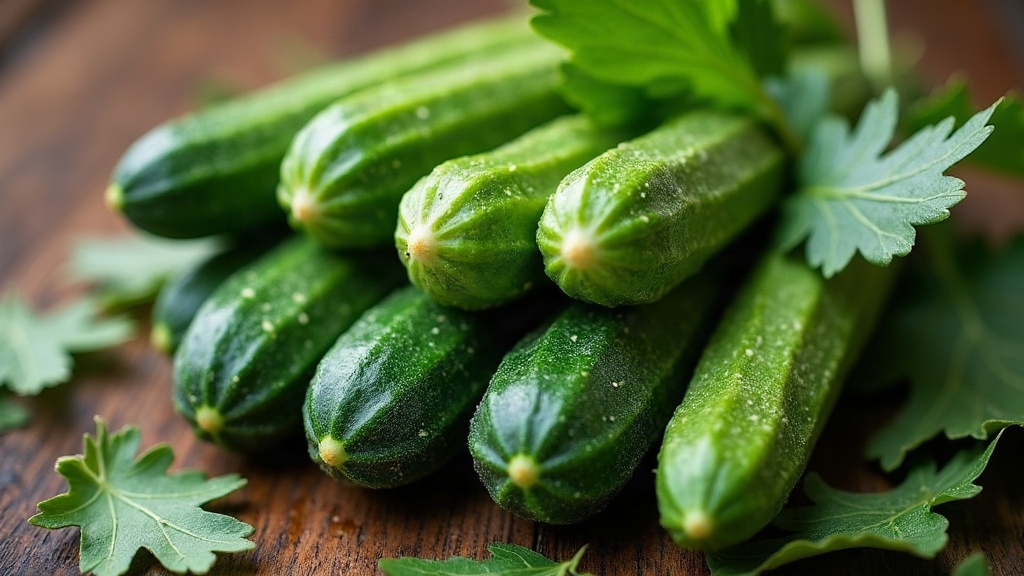
If you’ve ever bitten into a homemade fermented pickle only to find it sad and mushy, you already know why so many recipes insist on grape leaves. Here’s the good news: oak leaves, gathered on a quick forest walk, work just as well, and for a lot of home fermenters, they actually work better. This piece digs into why oak leaves keep that crunch intact, how to forage and use them without poisoning yourself, and how they stack up against grape leaves when you’re actually running a batch.
Why Cucumbers Go Soft in the First Place
Cucumbers turn mushy during fermentation thanks to an enzyme called pectinase, which chews through the pectin holding the cucumber’s cell walls together. This enzyme shows up from a few sources:
- The cucumber’s own blossom end (that’s why trimming it off actually matters)
- Bacteria and mold spores riding on the cucumber’s skin
- Warm fermentation temperatures, which crank up enzymatic activity
Old-school pickling wisdom fights back with tannins, plant compounds that block pectinase and firm the cell walls right back up. Grape leaves are the classic go-to for tannins, but they’re far from the only option out there.
Why Oak Leaves Work
Oak leaves pack an enormous amount of tannin, honestly rivaling (and in some species, beating) grape leaves. It’s the same chemistry that makes oak barrels so prized for aging wine and whiskey: the tannins leach out slowly into the liquid, tightening up organic material along the way.
Drop them into a cucumber ferment and oak leaves will:
- Release tannins into the brine, which latch onto pectin and slow down the softening process
- Add a faint astringency you’ll rarely notice in the finished pickle
- Leave color alone, unlike some other leaves that can tint your brine
Fermenters who don’t live near a vineyard but do live near oak trees (which describes most temperate regions of North America, Europe, and parts of Asia) have leaned on this swap for generations. It’s especially common in rural and homestead pickling traditions, where you use what’s growing in the yard, not what’s sold at a specialty market.
How to Forage Oak Leaves for Fermentation
Best species: White oak, red oak, pretty much any common oak variety will do the job. Steer clear of leaves that look diseased, moldy, or chewed up by insects.
Best leaves: Look for ones that are:
- Fully mature but still green (skip the brittle, dry autumn leaves; tannin content drops fast as leaves dry out and senesce)
- Free of any visible pesticide film, so avoid roadside trees or yards that get sprayed
- Rinsed well in cold water before they go anywhere near your jar
How many to use: A solid starting point is 2-3 oak leaves per quart (liter) jar, tucked at the bottom and/or top, sitting right in the brine.
Step-by-Step: Using Oak Leaves in a Cucumber Ferment
- Forage 6-10 clean, green oak leaves per batch.
- Rinse under cool running water to knock off dust, insects, and stray debris.
- Trim the blossom ends off your cucumbers. This one step alone prevents a lot of the mushiness.
- Pack the cucumbers into your fermentation jar with garlic, dill, and whatever spices you normally use.
- Tuck 2-3 oak leaves at the bottom of the jar and 1-2 more near the top, right under the brine line.
- Cover with a 3-5% salt brine and let it ferment at room temperature (65-75°F / 18-24°C) for 5-10 days, tasting along the way.
- Once it tastes and crunches the way you want, move it to the fridge to slow things down.
Oak Leaves vs. Grape Leaves: Quick Comparison
| Factor | Oak Leaves | Grape Leaves |
|---|---|---|
| Tannin content | High | High |
| Availability | Common in forests/parks | Requires a vine or market source |
| Flavor impact | Neutral to slightly earthy | Neutral, very mild |
| Foraging risk | Pesticide/road contamination | Same concern if not homegrown |
| Historical use | Regional, homestead traditions | Widespread in Mediterranean/Eastern European pickling |
Functionally, the two are nearly interchangeable when it comes to preserving crunch. Which one you use often just comes down to what’s growing within walking distance.
Safety Notes for Foraging
- Get the tree ID right. Oak leaves have that distinctive lobed shape, but if you’re not 100% sure, cross-check with a foraging guide or an app before you pick anything.
- Skip trees near busy roads, treated lawns, or anywhere industrial runoff might collect.
- Wash thoroughly. A light vinegar rinse helps strip off surface residue.
- Don’t overdo it. 2-3 leaves per jar is plenty; too many and the brine turns bitter.
Other Crunch-Boosting Tips to Pair With Oak Leaves
- Trim the blossom ends. This single habit wipes out much of the enzyme problem before it starts.
- Use fresh, cool cucumbers. Pick or buy same-day whenever you can; a wilted cucumber never bounces back to crisp.
- Keep ferments cool. 65-70°F (18-21°C) slows both the fermentation and the enzymatic softening.
- Add calcium chloride (a pickle-crisp product) alongside your oak leaves if you want a belt-and-suspenders setup.
Conclusion
Grape leaves aren’t some magic ingredient, they’re just a convenient, tannin-heavy leaf that happens to be traditional. Oak leaves bring the exact same pectinase-blocking chemistry to the table and, for a lot of us, they’re a whole lot easier to get your hands on, especially if there isn’t a grapevine anywhere near your backyard. Pair them with the basics (trimming blossom ends, keeping things cool) and a short walk in the woods is really all it takes to end up with crisp, snappy fermented cucumbers.