How to Brew Kvass with Sourdough Discard and Rye Bread
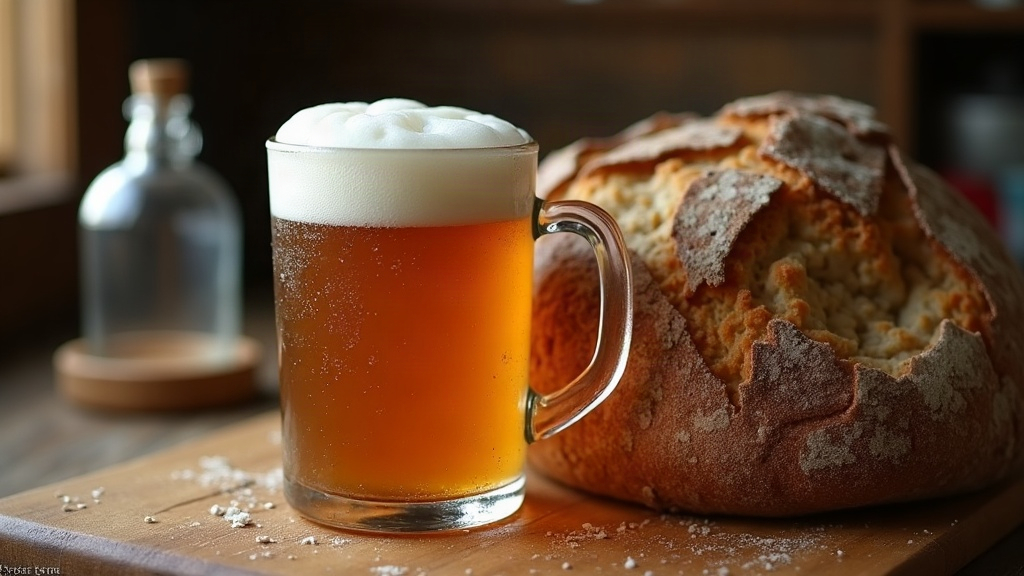
If you keep a bubbling sourdough starter alive on your counter, you already know the problem: discard piles up fast, and most of it ends up in the trash. Here’s a better use for it. Learning how to brew kvass with sourdough discard and rye bread turns that leftover goop into something genuinely worth drinking. Earthy, faintly sweet, lightly fizzy, this stuff hits different on a hot afternoon, and it’s a lot easier to make than most people assume.
What is Kvass?
Kvass is an old Slavic fermented drink, traditionally built from stale rye bread. Centuries ago it was just a smart way to stay hydrated without wasting a single crumb of leftover loaf. Think of the flavor as somewhere between a barely-there non-alcoholic beer and a tangy glass of kombucha: caramel notes from the toasted bread, cut with a bright sourness from fermentation. The bottled stuff you find in stores can be loaded with syrups and artificial flavoring, but the homemade version is nothing like that. It’s clean, it’s alive, and you can tweak it however you like.
Why Use Sourdough Discard?
Most classic kvass recipes lean on commercial active dry yeast. Swap that for sourdough discard instead, and you pick up a few real advantages:
- Deeper Flavor: A sourdough culture isn’t just yeast, it’s a whole ecosystem of wild yeasts and lactic acid bacteria working together. That gives you a tangy, layered flavor that plain baker’s yeast can’t touch.
- Zero Waste: Instead of scraping unfed discard into the sink (again), you’re putting it to work.
- Active Fermentation: Even discard that hasn’t been fed in days is still lively enough to chew through sugar and get your brew moving quickly.
Ingredients and Equipment
Nothing exotic here, just a handful of pantry basics.
Ingredients
- Dark Rye Bread: 4 to 5 thick slices (roughly 200g) of 100% dark rye or pumpernickel. Stale is good. Stale-er is better.
- Sourdough Discard: 2 tablespoons, unfed.
- Water: 2 liters, filtered and unchlorinated.
- Sweetener: 1/2 cup organic cane sugar or raw honey. This is what feeds the wild yeast and gives you that carbonation.
- Raisins: A small handful. They add a bit of natural sugar and, handily, double as a carbonation gauge.
- Optional Flavorings: Fresh mint, a lemon slice, or a few coins of ginger if you want to riff on the classic.
Equipment
- A large, clean glass jar (a 1-gallon size works well)
- Cheesecloth or a breathable cotton towel
- A fine-mesh sieve
- Swing-top fermentation bottles
Step-by-Step: Brewing Your Kvass
Step 1: Toast the Rye Bread
Cube the rye and bake it at 350°F (175°C) for 15 to 20 minutes, until it’s hard and deeply toasted, basically croutons at this point. Push it dark, almost too dark, but stop short of ash. That deep color is exactly what gives the finished kvass its rich amber hue and roasty backbone.
Step 2: Steep the Bread Base
Bring 2 liters of filtered water to a full boil. Pour it straight over the toasted bread cubes sitting in your glass jar. Let it steep and cool all the way down to room temperature, which usually takes a couple of hours (go run errands, come back to it).
Step 3: Add the Sourdough Discard
Once the mixture is at room temp (check that it’s under 85°F/29°C, otherwise you’ll cook your wild yeast before it even gets going), stir in the sugar or honey until it’s fully dissolved. Then add the sourdough discard and mix it in well so the culture spreads through the whole jar, not just the top inch.
Step 4: The First Fermentation
Cover the jar with cheesecloth, secure it with a rubber band, and tuck it somewhere warm and dark for 24 to 48 hours. Within a day you’ll usually see small bubbles forming and catch a bready, faintly sour smell, that’s your cue things are working.
Step 5: Strain and Bottle (Second Fermentation)
After 1 to 2 days, strain out the soggy bread through a fine-mesh sieve. Pour the amber liquid into your swing-top bottles and drop 3 to 4 raisins into each one. Seal them up and let them sit at room temp for another 1 to 2 days to build fizz. Once the raisins swell and bob to the surface, that’s a solid sign your kvass has carbonated nicely.
Step 6: Chill and Serve
Move everything to the fridge. Cold temperatures stop fermentation in its tracks and lock the bubbles in place. Serve it ice cold, straight from the bottle if you can resist a glass.
Expert Tips for Homebrewing Kvass
- Skip the Tap Water: Use filtered or spring water only. Chlorine in regular tap water can knock out your sourdough culture, and you’ll end up with a flat, lifeless batch.
- Keep an Eye on Carbonation: Wild yeast doesn’t mess around. Burp your bottles daily during the second fermentation, a quick open-close of the cap, so pressure doesn’t build up and turn your kitchen into a soda explosion zone.
- Alcohol Content: Kvass is usually filed under non-alcoholic, but wild fermentation always leaves a little alcohol behind, generally somewhere between 0.5% and 1.5% ABV. Not enough to notice, but worth knowing.
Conclusion
Brewing kvass at home is about as low-effort as fermentation projects get, and it’s a great first step into the wider world of homemade beverages. Once you learn how to brew kvass with sourdough discard and rye bread, you’re rescuing ingredients that would’ve gone straight to the compost and turning them into something genuinely refreshing, with real roots in a much older tradition. Dig out that stale rye, scoop some starter discard out of the fridge, and start your first jar today.