Lacto-Fermented Green Walnuts: Russian-Style Faux Capers at Home
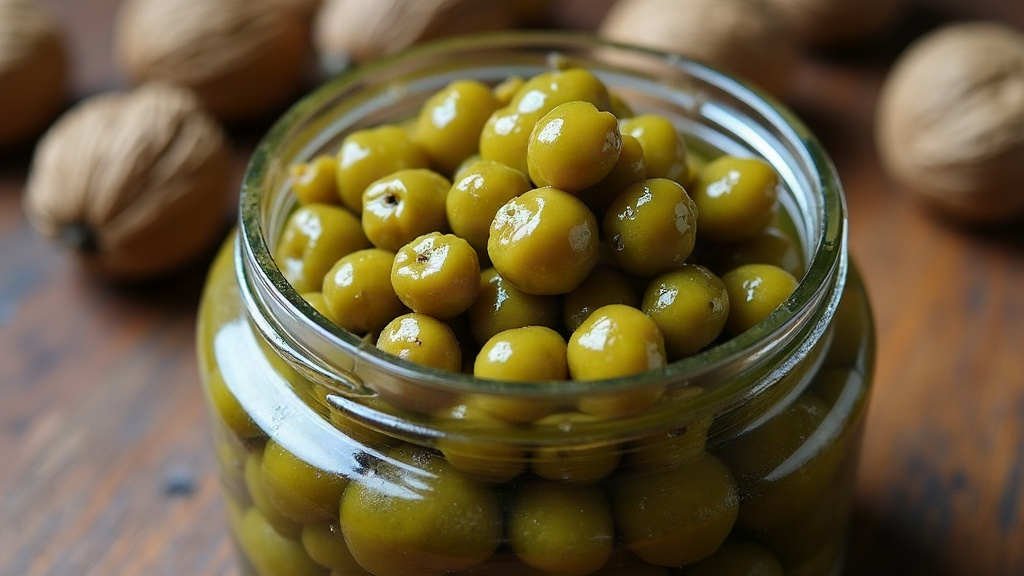
Lacto-fermenting unripe green walnuts takes a short, often-wasted harvest window and turns it into a jar of tangy, briny “faux capers” that taste remarkably close to the real thing, only with a deeper, nuttier edge. This is a traditional Russian-style technique, built on salt brine and naturally occurring lactobacillus bacteria rather than vinegar, so the flavor builds slowly and most of the nutrients stick around. Got a walnut tree in the yard, or a forager friend who does? This is one of the most rewarding small-batch ferments you’ll ever try.
Why Green Walnuts Make Great Faux Capers
Capers, if you’ve never thought about it, are actually the unopened flower buds of the caper bush, pickled or cured in salt. Unripe green walnuts, before their shells harden, have a strikingly similar texture and the same tannic bite. That’s exactly why cooks across Eastern Europe and the Caucasus have pickled them whole for generations, using them in salads, tapenades, pasta dishes, or served alongside cured meats and cheese.
Lacto-fermentation, as opposed to a quick vinegar pickle, gives the walnuts:
- A complex, slightly funky sourness instead of sharp acidity
- Live probiotic cultures from natural fermentation
- A firmer, more caper-like bite when picked at the right stage
- Better staying power in storage, thanks to the brine
When to Harvest Green Walnuts
Timing really is everything here. You’re looking for walnuts that are:
- Still green and soft. A sewing needle or toothpick should slide through the whole nut, shell and all, without resistance.
- Picked in late spring to early summer, roughly 4 to 8 weeks after the tree flowers (this shifts depending on climate and variety).
- Small to medium, about the size of a large olive or a small apricot.
Once the inner shell starts hardening, that’s it, they’re done for this purpose. So once the window gets close, check daily, and wear gloves. Green walnut husks leave stubborn juglone stains on skin and clothing that are genuinely hard to scrub off.
Traditional Russian-Style Brine Method
This is essentially how green walnuts get prepared in Russian, Ukrainian, Georgian, and Armenian kitchens, where they’re known as “caper walnuts” and show up in pickling traditions close to varenye.
Ingredients
- 1 kg (2.2 lb) small unripe green walnuts
- Water
- Non-iodized salt (sea salt or kosher salt), about 50 to 60g per liter of water (a 5 to 6% brine)
- Optional aromatics: a few peppercorns, bay leaves, dill umbels, or garlic cloves
Steps
- Prick each walnut several times with a needle or fork. This lets the brine get in and speeds up fermentation considerably.
- Soak in cold water for 3 to 5 days, changing the water once or twice a day. This pulls out the excess tannins and bitterness. Skip it, and you’ll end up with something too astringent to enjoy.
- Make the brine: dissolve the salt completely in water, 50-60g per liter.
- Pack the walnuts into a clean glass jar, layering in whatever aromatics you’re using.
- Submerge them fully in brine, using a fermentation weight or a small clean glass to keep everything under the liquid line.
- Cover loosely (an airlock lid works great, or just cloth secured with a rubber band) and let it ferment at room temperature, 18-22°C / 64-72°F, for 2 to 4 weeks.
- Check in regularly. Bubbles, a bit of cloudiness, and a pleasant sour smell all mean things are going well. Skim off any surface film as soon as you spot it.
- Start tasting after 2 weeks. Once it’s sour and tangy the way you like it, move the jar to the fridge, where it’ll keep for several months.
How to Use Fermented Green Walnut “Capers”
- Chopped into tapenade or green sauces
- Tossed whole over roasted vegetables or grain salads
- Minced into deviled eggs or potato salad
- Served alongside smoked fish, cured meats, or a sharp cheese
- Stirred into mustard or a yogurt-based dip
Troubleshooting Common Issues
- Too bitter? Soak longer next time, and double-check you picked the walnuts early enough in the season.
- Mold on top? A thin white kahm yeast is usually nothing to worry about, just skim it off. Fuzzy, colored mold, though, means toss the whole batch.
- Walnuts too hard? You harvested a bit late. The shell had already started forming underneath.
Final Thoughts
Lacto-fermenting unripe green walnuts is a small, seasonal project, but it pays off with a condiment that’s genuinely one of a kind: briny, sour, and nutty in a way no jar from the store can match. Catch the harvest window while it’s open, soak the walnuts properly, get the salt ratio right, and then just let time and bacteria handle the rest. Try homemade green walnut capers on a slice of good bread with butter once, and you’ll be circling next spring on the calendar already.