Open Fermentation vs Closed Carboys: Boosting Saison Esters
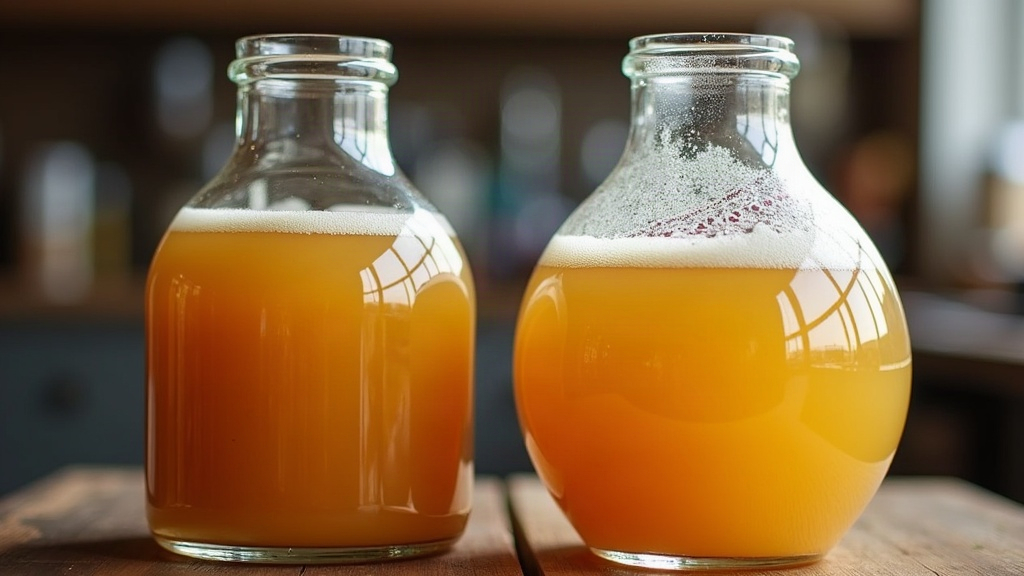
If you’re after that juicy, peppery, fruit-driven character that makes a great Belgian Saison sing, the vessel you ferment in matters almost as much as the yeast strain. Open fermentation exposes the wort to more oxygen and kicks off a vigorous krausen that can push ester production higher. Closed carboys, on the other hand, give you tighter control, lower contamination risk, and results you can actually repeat batch after batch. Here’s a breakdown of both methods so you can figure out which one fits what you’re trying to brew.
Why Esters Matter in Saison
Esters are those fruity aromatic compounds (pear, apple, citrus, sometimes a hint of tropical fruit) that saison strains like Dupont, Blaisdell, or Wallonian throw off during fermentation. They come from the yeast metabolizing fatty acids and alcohols, and how much you get depends heavily on:
- Fermentation temperature (push it higher, get more esters)
- Yeast strain genetics
- Oxygen exposure during active fermentation
- Vessel geometry and headspace
- Pitch rate (go lighter on pitch and you often get a bigger ester punch)
Open fermentation and closed carboys interact with these variables in different ways, which is exactly why your vessel choice ends up shaping the finished beer.
Open Fermentation: Pros and Cons
How It Works
Open fermentation means the wort sits in a vessel, often wide and shallow, covered only by something breathable like cheesecloth or a loose lid rather than a true airtight seal. This was standard practice in Belgian and French farmhouse breweries long before anyone had heard of a stainless conical.
Benefits for Ester Production
- More oxygen early on keeps the yeast healthier and more active, which can nudge ester synthesis upward.
- Krausen drops faster and CO2 escapes more freely, easing back-pressure on the yeast. The result is sometimes a brighter, more aromatic fruit character.
- More surface area helps the batch equalize temperature if you’re fermenting warm (68–80°F / 20–27°C), which is exactly where saison strains are happiest.
Risks
- Contamination is a real threat. Wild yeast, bacteria, dust, whatever’s floating around your house can land in the wort, especially if you’re not working in a sterile environment.
- Evaporation can concentrate flavors in ways you didn’t plan for.
- Temperature control gets harder unless you’ve got a dedicated fermentation chamber.
The commercial Belgian breweries still doing open fermentation are working in controlled, climate-stable cellars that took generations to perfect. If you’re trying this at home, you need to replicate that with scrupulous sanitation and a space set aside just for fermenting.
Closed Carboys: Pros and Cons
How It Works
A closed carboy (glass or PET) fitted with an airlock creates an anaerobic environment once the initial oxygenation at pitching is done. This is what most homebrewers use, and plenty of craft breweries rely on it too.
Benefits
- Contamination risk drops way down thanks to the controlled environment.
- The fermentation curve is predictable, so tracking gravity and temperature is straightforward.
- Works great with temperature-controlled chambers, letting you dial in a precise ramp (say, starting at 68°F and free-rising to 85°F) to coax out esters without rolling the dice.
Trade-offs
- Tighter seal, narrower headspace. That can suppress some of the free CO2 escape you’d get with open fermentation, sometimes leading to a cleaner but less wild ester profile.
- A few brewers describe the esters from closed fermentation as more “linear” or restrained next to an open-fermented batch.
Practical Recommendations
Want maximum fruity esters without inviting disaster? Try this:
- Start in a closed carboy for the first 24-48 hours. This establishes a clean yeast colony before anything nasty has a chance to get a foothold.
- Switch to a loosely covered vessel once active fermentation kicks in (krausen’s up) if you want to chase some open-fermentation character.
- Let the temperature climb gradually. Saison strains love a free-rise schedule and often finish strong in the mid-80s°F (29°C+).
- Underpitch a touch (70-80% of your normal pitch rate) to stress the yeast just enough to boost esters without tipping into off-flavors.
- Use a blow-off tube, not a standard airlock, no matter which vessel you pick. Saison fermentations get rowdy and need the extra headspace for krausen.
Which Should You Choose?
For most homebrewers, a hybrid approach works best: ferment closed with a blow-off tube, then ramp temperature carefully. That combo gets you maybe 90% of the ester complexity of true open fermentation, with a fraction of the contamination risk. Save full open fermentation for brewers who’ve got dedicated, sanitized space and are comfortable with some batch-to-batch variation. It’s not for the faint of heart, but the payoff can be real.
Conclusion
Both open fermentation and closed carboys can turn out excellent, fruit-forward Belgian Saisons, they just come with different trade-offs. Open fermentation gives you bolder, more complex aromatics, but you’re trading away control and inviting more risk. Closed carboys keep things safe and consistent, even if the esters end up a bit more restrained. Experiment on purpose, keep good notes on temperature and timing, and you’ll land on the method that brings out the funky, fruity character saison drinkers chase in the first place.