Sourdough Starter Smells Like Nail Polish Remover? Here's the Fix
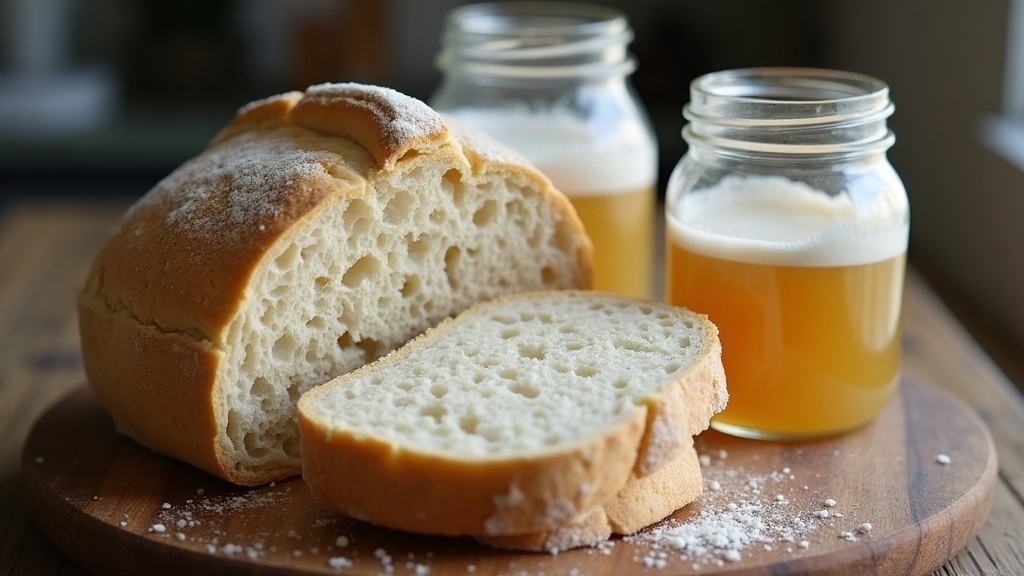
If your sourdough starter smells like nail polish remover, don’t panic, and definitely don’t dump it down the drain. That sharp, chemical, acetone-like whiff is just hungry yeast cranking out excess ethanol and other volatile compounds. Almost always, it’s fixable simply by changing how often (and how much) you’re feeding the thing.
Why Does Sourdough Starter Smell Like Acetone?
A sourdough starter is a living culture, wild yeast and lactic acid bacteria working side by side. The yeast feeds on sugars in the flour, producing carbon dioxide (that’s your rise) and ethanol as a byproduct. In small doses, this is exactly what gives a starter its pleasant, slightly tangy, beer-like smell.
Problem is, when yeast activity outruns the food supply, or the starter sits too long between feedings, the yeast switches into survival mode. It starts churning out more ethanol and other alcohols, including trace acetone-like compounds, as a kind of stress response. That’s where the nail-polish or paint-thinner smell comes from.
Common Causes
- Starter is overdue for a feeding. The yeast has already eaten through most of the available carbs and has shifted to anaerobic fermentation, which means more alcohol.
- Feeding ratio is too low. A 1:1:1 ratio (starter:flour:water) just doesn’t leave enough fresh food to keep the culture happy across a full 24 hours.
- Starter is too warm. Heat speeds up yeast metabolism. It burns through its food faster and hits that alcohol-producing stage sooner than you’d expect.
- Too much hooch has built up. That dark liquid pooling on top? That’s alcohol. It’s basically your starter waving a little flag that says “feed me.”
- Container is too airtight. A sealed jar traps alcohol vapors and off-gases, so the smell gets concentrated even when the fermentation underneath is totally normal.
How to Fix an Acetone-Smelling Starter
1. Pour Off the Hooch and Feed Immediately
Pour off the hooch (or stir it back in if you actually like a more sour loaf), then do a full feeding right away. Don’t wait for the next scheduled feeding, just do it now.
2. Increase Your Feeding Ratio
Feeding 1:1:1? Bump it up to 1:2:2, or even 1:3:3 (starter:flour:water by weight). More food relative to the yeast population means it takes longer to exhaust the supply, which cuts down on alcohol buildup between feedings.
Example adjustment:
- Before: 50g starter + 50g flour + 50g water (fed once every 24 hours)
- After: 50g starter + 100g flour + 100g water (fed once every 12–24 hours)
3. Feed More Frequently
Kitchen running warm, say above 75°F (24°C)? Your starter might need feeding every 8–12 hours rather than once a day. Smaller, more frequent feedings keep the yeast steadily active instead of letting it spike and crash.
4. Keep It Cooler
Still smelling acetone even with frequent feedings? Try a cooler spot, something in the 68–72°F (20–22°C) range. If you only bake once or twice a week, the fridge between bakes works well too.
5. Loosen the Lid
Ditch the tight-sealing lid. A loose-fitting cap, a cloth cover, or a jar with a couple of air holes lets gases escape instead of building up inside.
Is It Safe to Use a Starter That Smells Like Acetone?
Yes. An acetone smell, on its own, doesn’t mean contamination or spoilage. It’s just a metabolic byproduct, not mold, not harmful bacteria. That said, it’s worth checking for:
- Pink, orange, or fuzzy mold. Toss it immediately if you see any of this.
- A rotten, garbage-like smell rather than something sharp and chemical. That could point to unwanted bacterial growth.
If it’s just boozy or nail-polish-ish, feed it generously and it’ll recover within one or two feeding cycles. No drama needed.
How Long Until the Smell Goes Away?
Most starters settle back into that balanced, tangy-sweet smell within 24 to 48 hours of adjusting feeding ratio and schedule. If the smell is still hanging around after 3 or 4 feedings, try:
- Switching flours (a bit of whole wheat or rye can wake up a sluggish culture fast)
- Double-checking your kitchen’s actual temperature, not just a guess
- Using filtered or dechlorinated water, since chlorine can mess with the culture in unpredictable ways
Conclusion
A nail-polish smell is really your starter’s way of telling you it’s hungry, nothing more sinister than that. Increase the feeding ratio, shorten the gap between feedings, find it a cooler spot, and it’ll bounce back fast. Keep an eye on hooch buildup as your early warning sign, and the starter will keep rewarding you with reliable, flavorful rises for a long time to come.