Why Water Kefir Grains Turn to Mush (And How Calcium Fixes It)
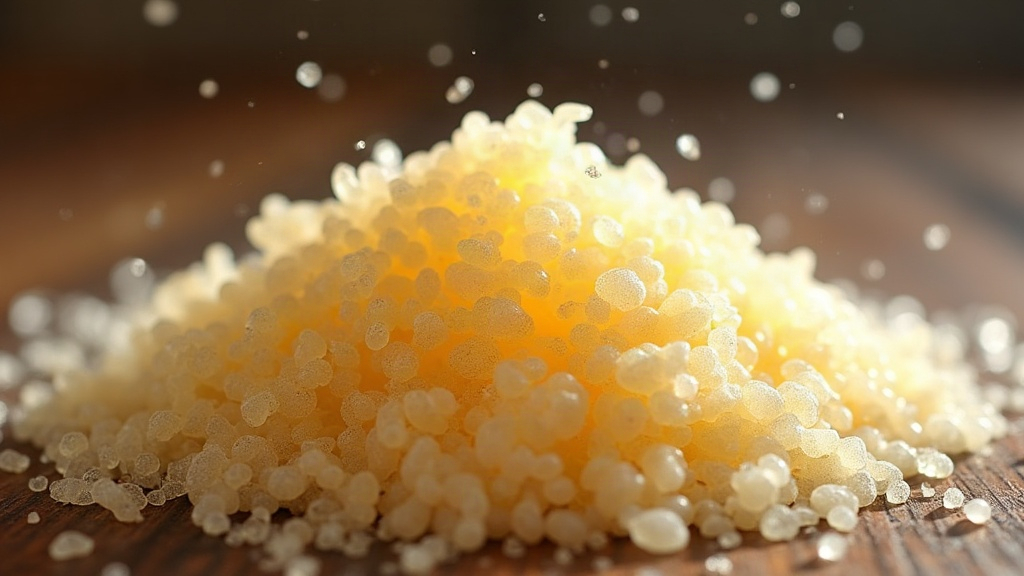
If your water kefir grains have turned from firm, glassy crystals into a soft, slimy mess, calcium deficiency in your brewing water is almost always the reason. These grains are living colonies of bacteria and yeast held together by a polysaccharide matrix, and that matrix depends on specific minerals (calcium and magnesium above all) to hold its shape. Fix the mineral balance, usually with an eggshell, some coral calcium, or a few mineral drops, and most colonies bounce back to a firm texture within one to three batches.
What’s Actually Happening to the Grains
Water kefir grains aren’t one organism. They’re a symbiotic community of bacteria and yeast (a SCOBY) wrapped in a gel-like polysaccharide shell that the bacteria build themselves. That shell is what gives healthy grains their crunch and their slightly see-through look.
Take away the minerals, and the bacteria that build this shell simply can’t keep up repairs. You’ll start noticing:
- A slippery, slimy feel instead of firm resistance
- Cloudiness or ragged, dissolving edges
- Grains losing their round, crystalline shape
- Everything clumping into one mushy blob instead of separate pieces
- Slower fermentation or kefir that tastes flat and under-carbonated
Why Calcium Is the Key Mineral
Calcium does actual structural work in the grain’s polysaccharide matrix, not unlike how it reinforces cell walls in plants. Refined white sugar, which is what most people reach for by default, carries almost zero minerals. Pair that with filtered or distilled water and you’re quietly starving your grains of calcium, magnesium, and trace minerals, batch after batch.
This combination is by far the most common reason grains turn mushy, especially for brewers who switched from tap water (which usually has some mineral content) to reverse-osmosis or distilled water and never thought to compensate.
Signs It’s Specifically a Calcium Issue
- The grains started out crunchy and firm, then softened gradually over several weeks
- You’re brewing with filtered, distilled, or RO water
- You only ever use plain white sugar
- You’ve never added any mineral supplement to the jar
How to Restore Grain Structure
1. Add a Calcium Source Directly to the Jar
The quickest fix is dropping a clean calcium source straight into the batch:
- Half a clean, dried eggshell, rinsed and lightly crushed; it can be reused for several batches
- A small piece of food-grade coral calcium or calcium carbonate
- A pinch of unrefined mineral salt (Himalayan pink salt works fine), which brings trace calcium, magnesium, and other minerals along with it
- Mineral drops made specifically for water kefir (concentrated calcium/magnesium blends)
Start small. Too much calcium can actually slow fermentation down, so there’s no benefit to dumping in a huge dose.
2. Switch Your Sugar Source
Rather than relying on 100% refined white sugar, try a blend:
- 70% organic cane sugar plus 30% unrefined sugar (rapadura or panela work well)
- Or stir in a tablespoon of molasses per quart, since it’s loaded with calcium, magnesium, and iron
3. Reconsider Your Water
Brewing with distilled or RO water? Add mineral drops or a pinch of mineral salt to every single batch. Honestly, spring water with a moderate mineral profile is often a simpler long-term answer than distilled water plus a pile of supplements.
4. Give It Time
Repair doesn’t happen overnight. A rough timeline looks like this:
- 1-2 batches: fermentation activity perks up again (more bubbles, faster souring)
- 2-4 batches: grains start firming along the edges
- 1-2 weeks: full structural recovery in most cases, assuming the deficiency wasn’t extreme
If the grains have already dissolved completely into liquid with no solid pieces left, there’s nothing to rescue at that point. Sourcing a fresh batch of grains is the practical move.
Other Causes of Mushy Grains (Ruling Them Out)
Calcium deficiency tops the list, but a few other culprits are worth checking:
- Chlorinated tap water: chlorine attacks the bacterial colony directly, so stick to filtered or dechlorinated water
- Metal contact: reactive metals (anything that isn’t stainless steel) can degrade the grains over time; use plastic, wood, or stainless utensils only
- Fermenting too long: leaving grains sitting in finished kefir without fresh sugar water stresses the colony
- Temperature extremes: a hot kitchen counter speeds up degradation considerably
Quick Maintenance Checklist
- Use filtered, non-chlorinated water
- Add a calcium source (eggshell, mineral drops, or unrefined sugar) with every batch
- Skip reactive metal utensils
- Refresh the sugar water every 24-48 hours
- Rinse grains only now and then, not every batch (rinsing too often strips away the beneficial biofilm they need)
Conclusion
Mushy water kefir grains almost always point to mineral starvation, and calcium is usually the piece that’s missing. Reintroduce it through an eggshell, mineral drops, or unrefined sugar, rule out chlorine and metal exposure, and most colonies rebuild their structure within a week or two. Think of your grains as a mineral-dependent living culture rather than something that just eats sugar, and they’ll keep rewarding you with firm, active grains, batch after batch.