Traditional Korean Persimmon Vinegar with Ripe Hachiya Fruits
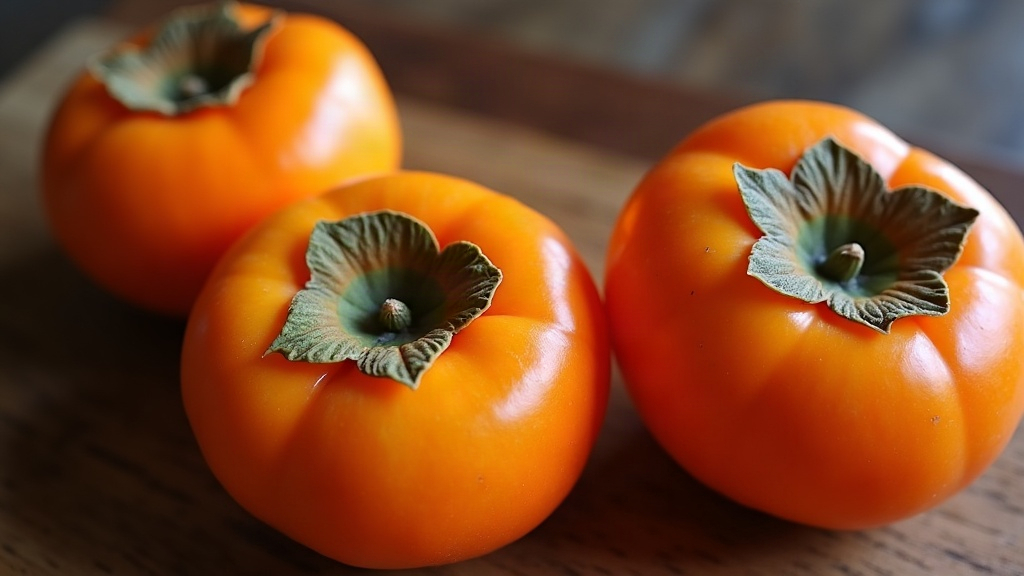
Korean-style persimmon vinegar, known as gamsikcho (감식초), is a slow-fermented vinegar made from fully ripe Hachiya persimmons and water. That’s it. No starter culture, no added sugar, no store-bought mother to kickstart things. The whole process depends on wild yeasts and bacteria already living on the fruit’s skin, which is why late autumn matters so much here: Hachiya persimmons hit peak ripeness and sweetness right after the first frost, and that’s your window.
Why Hachiya Persimmons Are the Traditional Choice
Hachiya persimmons stay astringent and borderline inedible until they go completely soft, almost jelly-like. That soft stage is precisely what you need for this vinegar. Unlike the crisp, non-astringent Fuyu type, a fully ripened Hachiya is:
- Loaded with natural sugar, which is what actually drives the fermentation
- Soft enough to mash with your bare hands, so juice and pulp come out easily
- Covered in wild yeast, visible as a faint white bloom on the skin. Don’t rinse this off before you start fermenting; it’s doing you a favor.
Pick the fruit too early and you’ll end up with something puckeringly astringent that refuses to ferment properly. Wait until it looks almost translucent and sags under light pressure, typically October or November depending on where you live.
What You’ll Need
- 10–12 fully ripe Hachiya persimmons (unwashed, stems removed)
- A wide-mouth glass or ceramic crock (skip metal or plastic entirely)
- Breathable cloth (cheesecloth or muslin) plus a rubber band
- A wooden or bamboo spoon
- A warm, dark corner with steady temperature, around 65–75°F (18–24°C)
Step-by-Step Fermentation Process
1. Prepare the Fruit
Pull off the stems and cut away any bruised or damaged spots, but leave the skin intact. Drop the whole persimmons into your crock and mash gently with the wooden spoon until the pulp gives way and juice starts pooling at the bottom.
2. Cover and Rest
Secure breathable cloth over the crock with a rubber band. Never seal it with an airtight lid, that just suffocates the yeast. The cloth lets air move freely for fermentation while keeping fruit flies and dust out.
3. The Alcohol Stage
For the first 1–2 weeks, wild yeasts are busy turning fruit sugars into alcohol. Expect bubbling, a light sweet-wine smell, and a cap of pulp floating to the surface. Stir once a day with a clean wooden spoon, this redistributes everything and keeps mold from taking hold.
4. The Acetic Fermentation Stage
Once the alcohol smell starts to fade, acetic acid bacteria move in and convert that alcohol into acetic acid. This usually runs another 4–8 weeks. The liquid clouds up, the smell sharpens into something tangy, and you might see a thin, gel-like “mother” form on top. That’s a good sign, not something to worry about.
5. Strain and Age
When the vinegar smells cleanly sour with no trace of booze left, strain the solids out through cheesecloth. Pour the liquid into clean glass bottles, cover loosely, and tuck it away in a cool, dark spot for another 1–3 months to let the flavor round out.
How to Know It’s Ready
- A sharp, clean sour smell, not boozy or musty
- Color somewhere between amber and deep brown
- A tartness that still carries a trace of persimmon sweetness underneath
- pH generally in the 3.0–3.5 range, close to apple cider vinegar
Common Troubleshooting
- Mold on top: Usually means you weren’t stirring enough or the cover was too tight. A thin white film can just be scraped off. If it’s fuzzy and colored, toss the batch, don’t risk it.
- Nothing’s happening: The persimmons were probably underripe, or the room’s too cold. Move the crock somewhere warmer (70°F+) and give it time.
- Vinegar tastes weak: Let the acetic stage run another 2–4 weeks before judging it.
Using Your Persimmon Vinegar
In Korean households, gamsikcho usually gets diluted with water as a daily tonic, whisked into salad dressings, used as a marinade for grilled meats, or drizzled straight over naengchae (cold vegetable dishes). Because it’s naturally sweeter than most fruit vinegars, it works well with both savory dishes and the lightly sweet ones too.
Final Thoughts
Making persimmon vinegar the traditional Korean way takes patience, but it turns an overabundant autumn fruit into something genuinely flavorful and worth the wait. Ripe Hachiya persimmons, a bit of time, and a daily stir are really all it takes. No special gear, no starter culture needed, just a technique that’s been passed down for centuries and still works exactly the same way today.