Fermenting Gochujang in Onggi: Six Months to Deep Umami
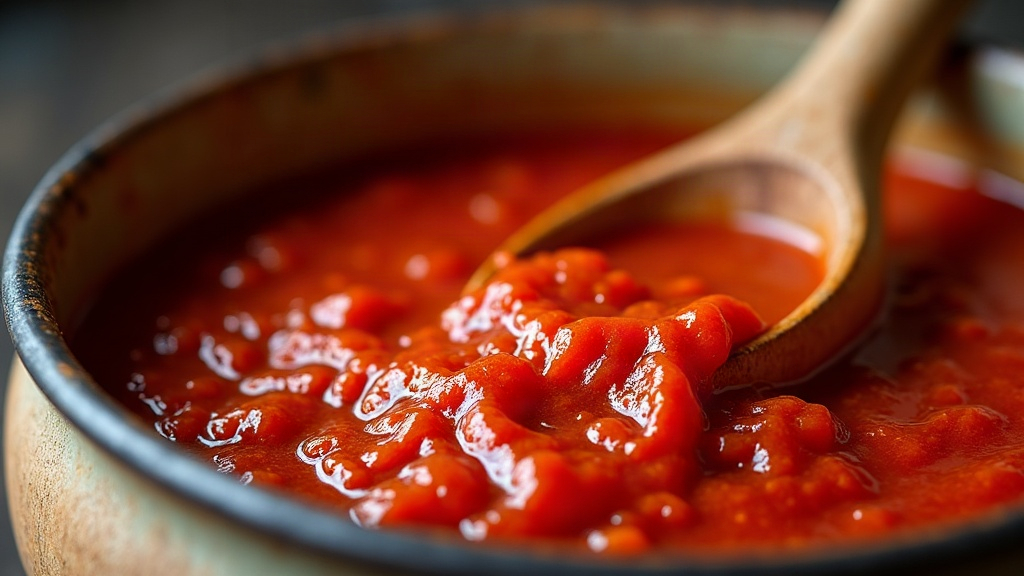
Fermenting traditional gochujang in a breathable onggi crock over six months is still the gold standard for building that deep, layered umami that mass-produced tubs just can’t fake. The clay is porous, so the paste actually “breathes.” That slow exchange of air regulates moisture and invites the kind of unhurried microbial activity that turns rice, chili, and fermented soybean powder (meju) into something funky, sweet, and spicy all at once. Here’s why onggi matters, how the six-month timeline plays out, and what to watch for along the way.
Why Onggi Matters for Gochujang
Onggi is unglazed or semi-glazed Korean earthenware, fired at high heat, which leaves the clay walls full of microscopic pores. Unlike glass jars or plastic bins, onggi:
- Exchanges air passively, letting carbon dioxide from fermentation escape while keeping excess oxygen exposure in check
- Buffers temperature swings, staying cooler under the midday sun and holding onto warmth once night falls
- Wicks away minor surface moisture, which cuts down on mold risk compared to sealed, airtight containers
- Imparts subtle mineral notes you simply won’t get from food-grade plastic or stainless steel
This breathability is really the whole story behind why onggi-fermented gochujang tastes rounder and less harsh than the quick-fermented or factory stuff, which often leans on added sugars and preservatives to fake that aged complexity.
The Core Ingredients
Traditional gochujang comes down to four building blocks:
- Meju powder (fermented soybean block, ground) - supplies the proteolytic enzymes and the base for umami-rich glutamates
- Glutinous rice or barley malt (yeotgireum) - breaks down into sugars that feed fermentation and tame the heat
- Korean red chili powder (gochugaru) - coarse, sun-dried, for color and capsaicin without bitterness
- Coarse sea salt - preserves the paste and keeps bacterial activity in line
The ratio isn’t something to eyeball carelessly: too little salt and you’re inviting spoilage, too much and you choke off the enzymatic breakdown that umami depends on.
The Six-Month Fermentation Timeline
Month 1: Settling and Initial Activity
Once mixed, the paste goes into the onggi and sits uncovered on sunny days (a mesh cover keeps bugs out), then gets sealed up at night or when it rains. Don’t be alarmed by early bubbling or a sharp, yeasty smell, that’s just wild yeasts and lactic acid bacteria staking their claim.
Months 2-3: Sugar Conversion and Color Deepening
Malt enzymes start chewing through starches, converting them into maltose and glucose and naturally sweetening the paste. The color shifts too, from a bright orange-red toward a deeper brick tone. Stir every few days to redistribute moisture and stop a crust from forming on top.
Months 4-5: Protein Breakdown and Umami Buildup
This is the stretch where glutamic acid, the backbone of umami, really starts to build as soybean proteins keep breaking down into amino acids. The paste thickens, picks up a glossy sheen, and the smell softens from sharp to something rounder and more savory.
Month 6: Flavor Maturity
By the six-month mark, the paste should taste balanced, sweet, salty, spicy, and deeply savory, with none of that raw chili bite left. Plenty of households let it go for a year or longer, but six months is generally considered the minimum for real depth rather than a thin, one-note paste.
Common Problems and Fixes
- White mold on the surface: usually harmless kahm yeast. Skim it off and sprinkle a little extra salt on top.
- Too watery: give it more sun exposure on dry days to evaporate the excess liquid.
- Tastes too salty early on: that mellows out as fermentation progresses. Don’t judge the flavor before month 3.
- Cracked onggi: check your crocks before use. Even a hairline crack can harbor bacteria you don’t want in there.
Storage After Fermentation
Once it’s matured, gochujang holds up well at room temperature in a cool, shaded spot for months at a stretch, or you can refrigerate it for even longer freshness. Just always scoop it out with a clean, dry utensil so you’re not introducing contaminants.
Conclusion
Six months in a breathable onggi crock is what gives gochujang the time and airflow it needs to turn raw ingredients into something with real character: sweet, salty, spicy, and umami-rich in roughly equal measure. It takes patience and some regular attention, sure, but the payoff is a paste with a complexity no shortcut can touch.