Fermented Cranberry Relish with Orange Peel & Cloves
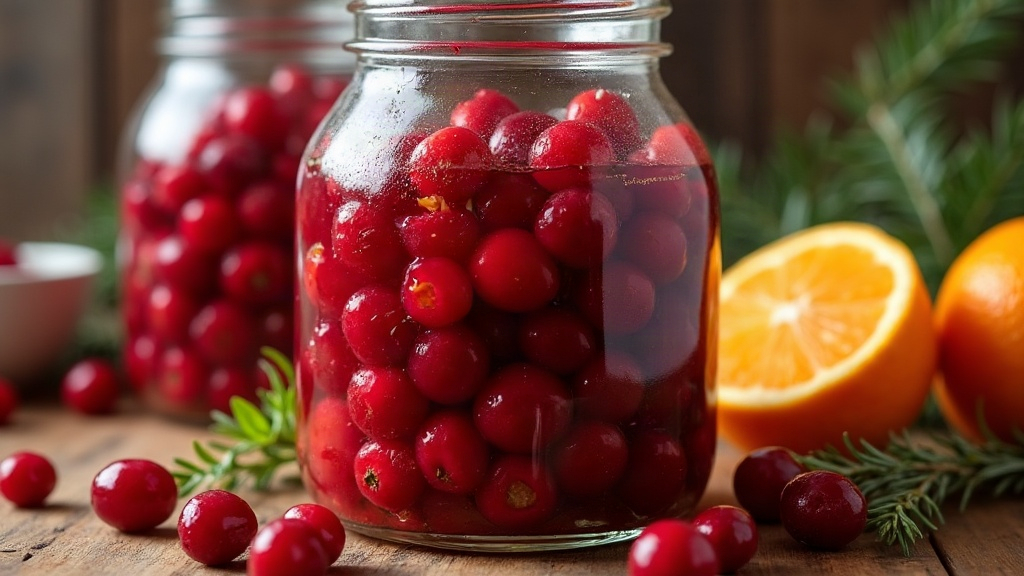
Fermenting whole autumn cranberries with orange peel and cloves turns the usual holiday relish into something alive: a probiotic-rich condiment with deeper flavor and, frankly, better digestibility. The technique is lacto-fermentation, and it’s simpler than people expect. Cranberries, citrus, warming spices, a salt brine. No vinegar, no added pectin. What you get is a tart, slightly fizzy relish that works next to roasted turkey, ham, or a cheese board, and it hands you a dose of beneficial bacteria along the way.
Why Ferment Cranberries Instead of Cooking Them?
Standard cranberry sauce gets boiled down with sugar. That heat kills off any beneficial microbes and leaves you with a jammy, one-note sweetness that, honestly, tastes the same every single year. Fermenting raw cranberries instead does a few things differently:
- Preserves natural enzymes and vitamin C that heat wipes out
- Builds complex, tangy-sour flavor rather than flat sweetness
- Introduces live lactic acid bacteria, which support gut health
- Extends shelf life naturally through acidification. No canning involved.
Cranberries, it turns out, are almost built for this. Their high natural acidity and pectin content means they break down just slightly in the brine, giving you a pleasantly thick, relish-like texture without any extra thickener.
Ingredients You’ll Need
- 1 lb (450g) fresh whole cranberries, rinsed and picked over
- Peel of 1 organic orange (avoid the pith, use a vegetable peeler)
- 4-6 whole cloves
- 1 cinnamon stick (optional, for extra warmth)
- 2 tablespoons raw cane sugar or honey (feeds the fermentation, won’t make the final product sweet)
- 2 teaspoons non-iodized sea salt
- Filtered, non-chlorinated water
Step-by-Step Fermentation Process
1. Prepare the Cranberries
Rinse the berries, then pierce each one lightly with a fork or the tip of a knife. Don’t skip this. Cranberry skins are nearly waterproof on their own, and without piercing, the brine just sits on the surface instead of soaking through. You want fermentation happening inside the berry, not just around it.
2. Build the Brine
Dissolve the salt and sugar in 2 cups of filtered water and stir until it’s fully gone. The sugar here isn’t for sweetness, it’s fuel. The lactic acid bacteria eat it during fermentation, so none of that sweetness survives into the finished relish.
3. Pack the Jar
Layer the pierced cranberries with the orange peel strips, cloves, and cinnamon stick into a clean quart-sized glass jar. Pour the brine over everything, leaving roughly 1 inch of headspace at the top. Then weigh the cranberries down, either with a proper fermentation weight or just a small clean jar filled with water, so everything stays submerged.
4. Ferment at Room Temperature
Cover with a breathable lid or airlock and tuck the jar into a cool, dark spot, somewhere around 65-72°F (18-22°C), for 5 to 7 days. Check on it daily:
- Small bubbles should show up by day 2-3
- The brine turns pink-red and goes a bit cloudy
- A tangy, fruity smell develops. That’s normal, not a warning sign.
5. Taste and Transition
Starting day 5, taste one cranberry each day. Once it’s tart, a little fizzy, pleasantly sour (not harsh, not sharp in a bad way) it’s done. Mash the berries coarsely with a fork, or pulse them briefly in a food processor, until you get that relish-like consistency. Pull out the cloves, cinnamon stick, and orange peel before serving.
Storage and Serving Tips
- Move the finished relish to the fridge. It keeps for 2-3 months and actually keeps developing flavor slowly the whole time.
- Serve it chilled next to roasted meats, stirred into plain yogurt, or spooned over a cheese board.
- Always use a clean utensil when scooping it out. Contaminants can spoil the whole batch faster than you’d think.
Common Troubleshooting Questions
Why is my ferment not bubbling? Your kitchen is probably too cold. Move the jar somewhere warmer (70°F or above) and give it another day or two before worrying.
Is mold dangerous? Fuzzy white, green, or black mold means toss the whole batch, no exceptions. A thin white film, that’s kahm yeast, is harmless. Just skim it off and move on.
Can I use frozen cranberries? Yes, thaw them and pat dry first. Fresh berries do ferment a touch more reliably though, since their skins are firmer and hold up better in the brine.
Conclusion
Fermented cranberry relish with orange peel and cloves gives the holiday table a festive, gut-friendly twist on something familiar. A handful of ingredients, about a week of patience, and you end up with a tangy, probiotic-rich condiment that beats the canned version on flavor and on nutrition. A small ritual, really, but one that adds genuine depth to the autumn and winter table.