Fermenting Whole Yellow Mustard Seeds with IPA Beer and Honey
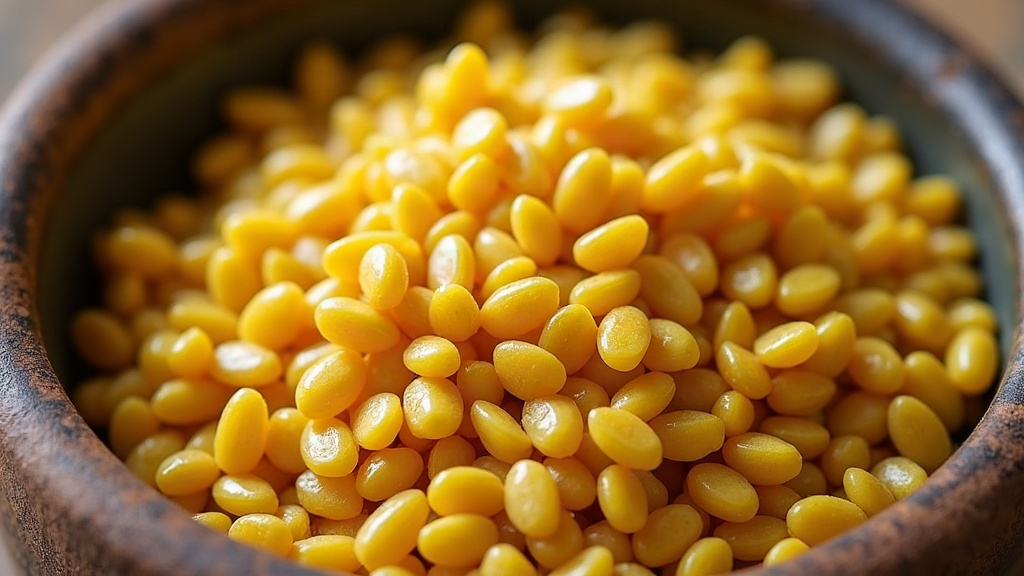
Fermenting whole yellow mustard seeds with IPA beer and raw honey turns a kitchen staple into something genuinely interesting: tangy, complex, a little funky in the best way. The natural lacto-fermentation process takes the harsh bite out of the seeds, while the IPA’s hoppy edge and the honey’s floral sweetness settle into a balance that store-bought mustard just can’t touch. Here’s exactly how it works, why it works, and how to pull it off safely at home.
Why Ferment Mustard Instead of Just Mixing It?
Regular mustard gets made by soaking seeds in vinegar. It’s fast, sure, but it flattens everything into one sharp, one-dimensional note. Fermenting the seeds instead does a few things vinegar can’t:
- Builds umami and tang through natural lactic acid bacteria (LAB) instead of added acid
- Mellows the seeds’ pungency into a rounder, more layered heat
- Gives you natural preservation and a longer shelf life
- Produces a thicker, chewier texture with visible whole seeds, the kind you’d expect from a small-batch jar at a farmers market
The IPA brings carbonation-driven yeast activity, hop bitterness, and malt sweetness into the mix. All three interact with the mustard’s volatile compounds (allyl isothiocyanate, the stuff that makes your nose sting) to create a layered, beer-forward tang you won’t get any other way.
Ingredients You’ll Need
- 1 cup whole yellow mustard seeds
- 1 cup IPA beer (go hoppy but not punishing, a West Coast or session IPA works well)
- 2–3 tablespoons raw, unfiltered honey
- 1 teaspoon sea salt (non-iodized)
- Optional: 1 tablespoon apple cider vinegar (added after fermentation for extra tang)
Don’t skip the salt. It’s doing more than seasoning here, it’s actively suppressing the bacteria you don’t want while giving the beneficial LAB room to thrive.
Step-by-Step Fermentation Process
1. Soak the Seeds
Combine mustard seeds and IPA in a clean glass jar. Make sure the beer fully submerges the seeds, and leave about an inch of headspace since they’ll swell as they absorb liquid. Cover loosely with a cloth or a fermentation lid, nothing airtight, because gases need somewhere to go.
2. Add Salt and Honey
Stir in the sea salt and raw honey until they’re mostly dissolved. Raw honey isn’t just a sweetener here, it carries its own wild yeasts and enzymes that can kickstart fermentation alongside whatever bacteria are already living on the seeds and in the beer.
3. Ferment at Room Temperature
Let the jar sit somewhere around 65–75°F (18–24°C) for 5 to 7 days, stirring once a day. Over that week, watch for:
- Small bubbles forming, a good sign fermentation is actually happening
- A mellow, slightly sour smell replacing that sharp beer aroma
- Seeds swelling up and softening
Start tasting on day 3. The longer you let it go, the tangier and less bitter it gets.
4. Blend to Desired Texture
Once it tastes balanced, tangy but not harsh, move everything into a food processor or blender. A few quick pulses gives you a coarse, whole-grain texture; blend longer if you want something smoother and more spreadable. This is also the moment to stir in that optional vinegar if you want more brightness.
5. Jar and Cure
Pack it into a clean jar, seal it, and refrigerate. Give it at least 48 hours to cure before you dig in. The flavors keep melding and softening during that time, so don’t rush it.
Troubleshooting Common Issues
- Too bitter? Your IPA was probably too hop-forward. Next time, grab a maltier IPA or cut back the beer-to-seed ratio a bit.
- Not tangy enough? Let it ferment another 2–3 days, or splash in some raw apple cider vinegar after fermentation.
- Mold on top? Keep the seeds fully submerged at all times. A fermentation weight solves this almost instantly.
How Long Does It Last?
Sealed and refrigerated, this mustard holds up for 2–3 months. Honestly, it gets better over the first few weeks as the honey and beer flavors keep working their way through the seeds.
Serving Ideas
- Spread it on grilled bratwurst or sausages
- Whisk it into vinaigrettes for a tangy kick
- Pair it with sharp cheddar or smoked gouda on a charcuterie board
- Use it as a glaze base for roasted pork or chicken
Conclusion
Fermenting whole yellow mustard seeds with IPA beer and raw honey is about as low-tech as home fermentation projects get, and it rewards patience with something genuinely artisan: tangy, textured, nowhere close to anything you’d find on a grocery shelf. Five ingredients, about a week of waiting, and you end up with a condiment that’s entirely your own, with the beer’s character and the honey’s sweetness woven into every single seed.