Vegan Camembert: Culturing Macadamia Paste with Rejuvelac
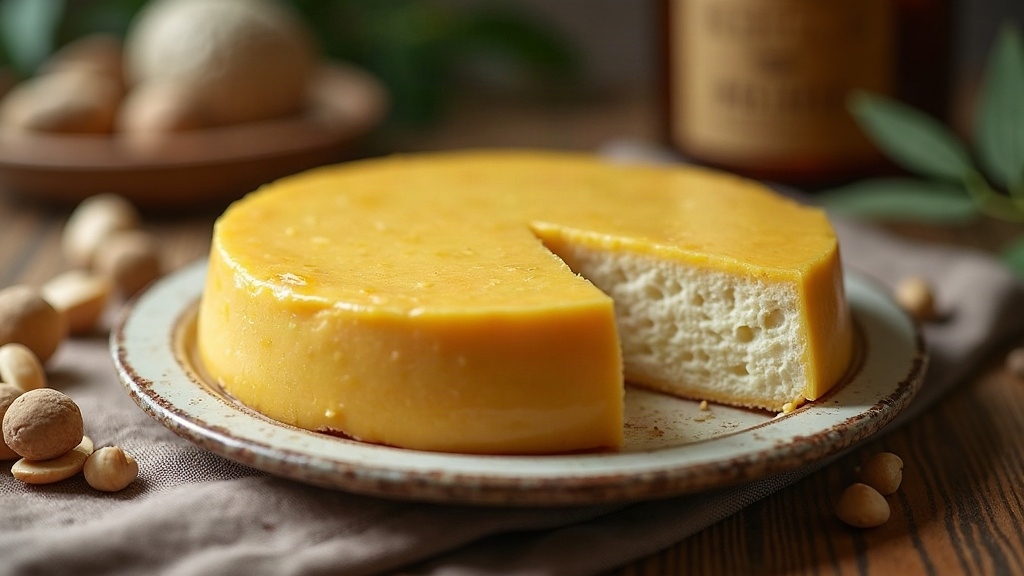
Culturing Macadamia Nut Paste with Rejuvelac for a Vegan Camembert
If you’ve ever tasted a vegan “cheese” that’s really just nut paste with salt thrown at it, you know the disappointment. Culturing macadamia nuts with rejuvelac is a different animal entirely. Rejuvelac, a lightly fermented grain water teeming with wild lactic acid bacteria, does the real work here: it acidifies the macadamia base and builds flavor long before the wheel ever sees an aging shelf. The result is tangy, buttery, genuinely complex, not a one-note approximation.
Why Macadamia Nuts Work So Well
Macadamias aren’t the obvious choice at first glance, but they’re oddly perfect for cheesemaking once you break down why:
- Fat content around 75%. That’s higher than almonds or cashews, and it’s what gives the finished paste a mouthfeel close to actual dairy fat.
- A mild, buttery flavor. It stays out of the way, letting the fermentation tang come through instead of fighting it.
- Low starch. Less starch means a smoother blend, no gritty aftertaste once it’s processed.
Cashews work as a backup if macadamias are running too expensive (and they often are). Just know the texture shifts a bit, leaning more toward “cheesecake” than “soft-ripened cheese.”
What Rejuvelac Actually Does
Rejuvelac comes from soaking and sprouting a grain, usually wheat berries, quinoa, or brown rice, then letting those sprouts sit in water for 2 to 3 days to ferment. What you end up with is a sour, faintly fizzy liquid packed with:
- Lactobacillus and other lactic acid bacteria
- Trace enzymes carried over from the sprouting grain
- A pH that sits around 3.5 to 4.5, so it’s genuinely acidic
Swap plain water for rejuvelac when blending your macadamia paste and you’re doing more than adding liquid. You’re inoculating the nut mixture with live cultures that keep working through the aging period, building tang, a bit of funk, and that soft, yielding bite you’d expect from a real Camembert.
Step-by-Step Process
1. Make the Rejuvelac (2-3 days ahead)
Soak 1 cup of whole wheat berries or quinoa overnight. Drain them, then let them sprout for 1 to 2 days. Rinse again, cover with filtered water, and leave it at room temperature for 48 to 72 hours. You’re waiting for sour and slightly fizzy. That’s your cue it’s ready.
2. Prepare the Macadamia Paste
Soak 2 cups of raw macadamia nuts for 2 to 4 hours. They’re soft enough that an overnight soak isn’t necessary, unlike almonds. Blend with:
- ½ cup rejuvelac
- 1 tsp probiotic powder (optional, but it gives the culture a stronger push)
- A pinch of salt
Blend until it’s completely smooth, no streaks, no grit. In a high-speed blender this can take several minutes, so don’t rush it. You’re aiming for something close to soft cream cheese in texture.
3. Culture at Room Temperature
Line a mold or strainer with cheesecloth and transfer the paste in. Cover it loosely and let it sit at 68-72°F (20-22°C) for 12 to 24 hours. A slightly sour smell and tiny bubbles on the surface mean the culture is alive and doing its job. If nothing’s happening after 24 hours, your room is probably too cold.
4. Shape and Age
Press the cultured paste into a round mold, then turn it out onto a bamboo mat or rack. Age it somewhere humid (a covered container with a few small holes poked in works surprisingly well) at cool room temperature for 5 to 10 days, flipping it once a day. This is where the bloomy rind starts showing up, slightly wrinkled, a bit uneven, especially if you dust the surface with nutritional yeast or a plant-based Penicillium candidum culture.
5. Finish and Rest
Once the rind looks developed and the center feels soft but still holds its shape, wrap it in parchment and refrigerate for at least 2 days. This resting period is what mellows out the sharper fermented notes, don’t skip it even if you’re impatient to taste it.
Troubleshooting Common Issues
- Too sour: Cut back on the room-temperature culturing time, or use less rejuvelac in the blend next time.
- Paste won’t firm up: The macadamias were probably over-soaked. Strain off the excess liquid before you start culturing.
- No rind forming: Your humidity is too low. Swap open air for a loosely covered container.
- Off smells, like ammonia or gray fuzz: Toss it and start fresh with new rejuvelac. That smell means unwanted bacteria won the race, not the ones you wanted.
Serving Suggestions
Serve it at room temperature, never straight from the fridge, with:
- Crusty sourdough or a good baguette
- Fig jam or quince paste
- Maple syrup drizzled on top with cracked black pepper
- Dairy-free crackers and thin-sliced pear
Final Thoughts
What starts as blended nuts and grain water turns, over about a week and a half, into something that actually earns the name “cheese”: tangy, soft, with a real rind and real depth. It takes patience through the culturing and aging stages, no shortcuts there, but the payoff is a plant-based wheel that holds its own against the dairy version, both in texture and in how complex the flavor gets.