Fixing Dosa Batter That Won't Rise in Winter (Fermentation Fixes)
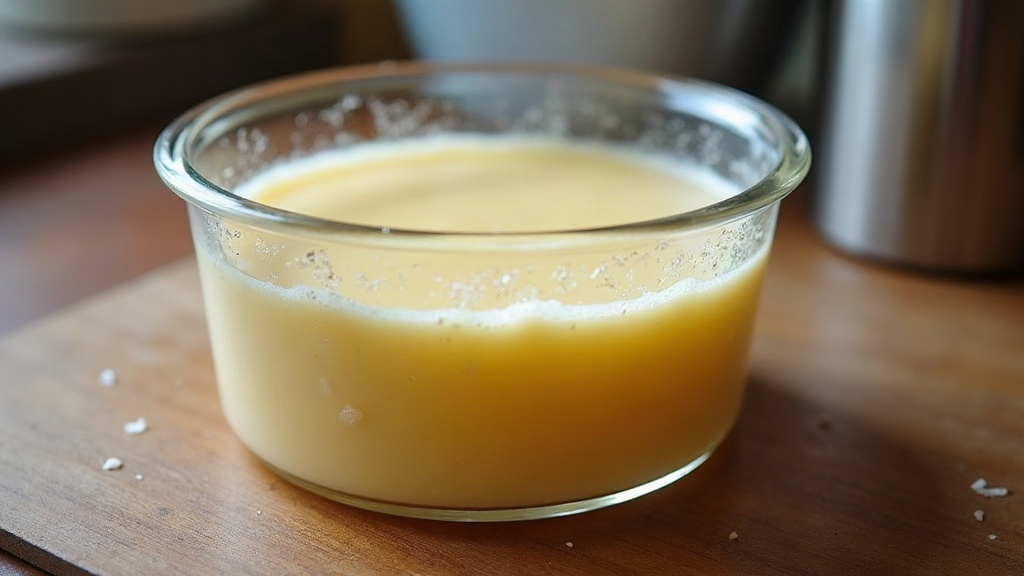
If your dosa or idli batter comes out flat, dense, and a little sour instead of puffing up nicely, nine times out of ten the problem is temperature. Dosa batter depends on wild yeast and lactic acid bacteria that basically shut down below 75°F (24°C). In a winter kitchen that’s dipping into the 60s or lower, fermentation can drag on 12 to 24 hours longer than normal, or just not happen at all. The good news? This is one of the easiest fermentation problems to fix, and you won’t need any fancy equipment.
Why Cold Temperatures Stop Dosa Batter From Rising
Dosa batter ferments thanks to a team effort between wild yeasts and bacteria that live naturally on rice, urad dal (split black gram), and floating around in your kitchen air. These little organisms work hardest between 77 and 86°F (25-30°C). Drop below 70°F and their activity slows way down. Go below 60°F and fermentation basically grinds to a halt.
Unlike the yeast packets you buy for bread, the microbes in dosa batter aren’t lab-standardized or heat-boosted in any way, so they react much more to whatever’s happening in the room. A batter that rises beautifully in 8 hours during an Indian summer might sit there for 18 to 30 hours in a drafty kitchen in Minnesota or London before it finally wakes up.
Signs Your Batter Is Under-Fermented
Before you blame the cold, make sure that’s actually what’s going on:
- No visible rise or bubbles after the usual fermentation window
- Batter smells flat or starchy instead of that pleasant tang you’re after
- Texture stays thick and pasty rather than light and slightly frothy
- No tiny air pockets when you scoop a spoonful out
If instead you’re getting an off, overly sharp, or almost boozy smell, that points to something else entirely, probably over-fermentation or contamination, not a cold stall.
Proven Fixes for Winter Fermentation
1. Use the Oven With the Light On
Pop the covered batter bowl into the oven (switched off) and just flip on the interior light. That little bulb throws off enough warmth to keep the oven around 80-85°F. The first time you try this, toss in an oven thermometer so you don’t accidentally overheat things.
2. Try the Instant Pot “Yogurt” Setting
Most Instant Pots come with a yogurt or fermentation function that holds a steady, gentle warmth. Set it to the lowest level, place the bowl inside (skip the water bath, you don’t need it), and cover loosely. Peek in every 6 to 8 hours to see how it’s coming along.
3. Create a Warm Water Bath
Fill a big basin, or even your sink, with warm (not hot) water, around 100°F, and sit the covered bowl right in it. Swap the water out every few hours once it cools down. If you don’t own an oven you trust or an Instant Pot, this low-tech trick works just as well.
4. Insulate Near a Heat Source
Set the batter near (never directly on) a radiator, baseboard heater, or even next to a refrigerator’s motor, which gives off a surprising amount of ambient warmth. Wrap the bowl in a towel or old blanket to hold the heat in.
5. Extend Fermentation Time Patiently
Sometimes the fix is simply waiting. In a 65°F kitchen, give it 18 to 24 hours before you decide it’s failed. Check in every few hours instead of writing it off too soon.
6. Add a Fermentation Starter Boost
Save a spoonful of leftover batter from your last successful ferment and stir it into the new mix. It works like a starter culture, bringing in an active colony of microbes that kickstarts things even when the room is chilly.
Ingredient Adjustments That Help in Cold Weather
- Bump up your urad dal ratio a bit (try 4:1 rice-to-dal instead of the usual 3:1), since dal tends to ferment more reliably in cold conditions
- Toss in a pinch of fenugreek seeds (methi) while soaking; they help both the rise and the flavor
- Use filtered, room-temperature water when grinding, not water straight from the cold tap
- Skip chlorinated water altogether, since chlorine can kill off the very microbes you need
What to Do If Batter Still Won’t Rise
If you’ve tried warming it for 24+ hours and there’s still zero movement, chances are the batter simply doesn’t have any living microbes left to work with, often because of over-sanitized equipment or chlorinated water wiping out the culture from the start. Start over with a fresh batch: use filtered water, and stick to clean (but not sterilized) wooden or steel utensils. They hold onto beneficial microbes far better than anything that’s been through a high-heat dishwasher cycle.
Conclusion
Winter fermentation failures with dosa batter almost always trace back to temperature, not anything you’re doing wrong technique-wise. Build a warm, steady environment for it, an oven light, an Instant Pot, a basin of warm water, whatever works for your kitchen, add a bit of patience, and you’ll get that same fluffy, tangy batter you’d get in the middle of July. Small tweaks like adjusting your rice-to-dal ratio or throwing in some fenugreek just give you a little extra insurance against those sluggish cold-weather microbes.