Fixing Overly Salty Beet Kvass: Brine & Fermentation Tips
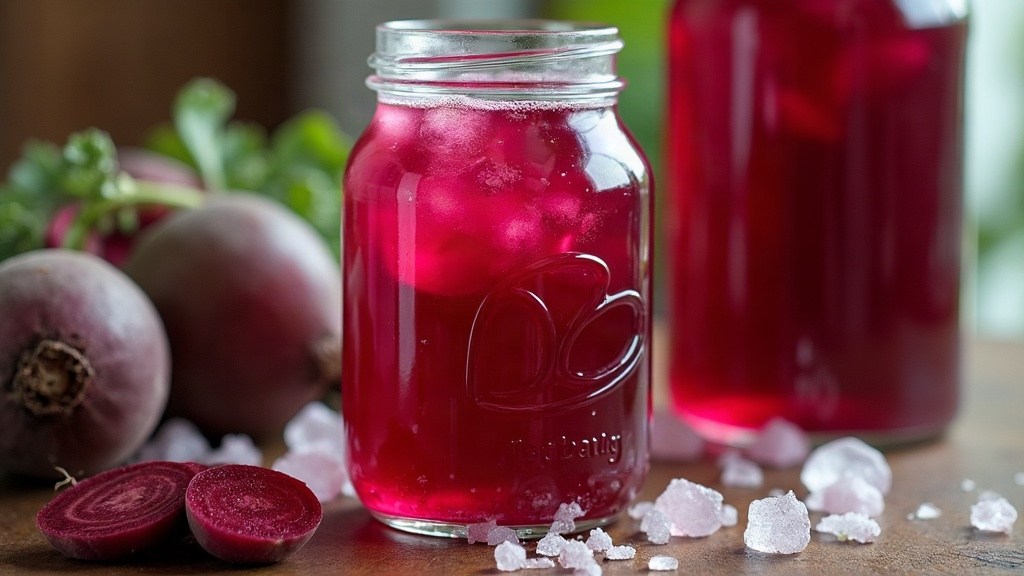
If your beet kvass tastes more like seawater than a tangy, earthy tonic, you’re definitely not the only one. An overly salty batch is one of the most common complaints among home fermenters, and honestly, it almost always comes down to two fixable variables: brine concentration and fermentation time. Let’s walk through why your batch turned out too salty and how to fix it, both for the jar sitting on your counter right now and for every batch after it.
Why Beet Kvass Turns Out Too Salty
Salt in beet kvass does double duty. It keeps unwanted bacteria in check early in the process, and it creates the right environment for lactic acid bacteria to get to work. The problem is that salt is a balancing act, not a “more is better” ingredient. Too little and you risk mold creeping in. Too much and the beneficial bacteria slow down or stall out completely, leaving you with a drink that’s all brine and no sour complexity.
A few things usually cause this:
- Measuring salt by volume instead of weight. A tablespoon of fine sea salt and a tablespoon of coarse kosher salt are not the same amount of sodium, not even close.
- Using iodized table salt or salt loaded with anti-caking agents, which tends to taste sharper and more aggressive than plain sea salt.
- Adding extra salt “just to be safe” against mold. This backfires almost every time, since it suppresses the very fermentation activity you’re trying to protect.
- Cutting the ferment short, which doesn’t give lactic acid bacteria enough time to convert sugars and mellow out that salty bite.
Step 1: Check Your Brine Ratio
The tried-and-tested ratio for beet kvass is:
- 1 tablespoon (roughly 15–18g) of non-iodized salt per 1 quart (1 liter) of filtered water
If you’re fermenting with whey or a vegetable starter culture, you can usually back off the salt a bit, down to around 2 teaspoons per quart, since the starter is already doing much of the work salt would otherwise handle.
Quick fix for a batch that’s already too salty:
- Dilute it with fresh filtered water. Start around a 10–20% dilution and let it sit for another 24–48 hours at room temperature.
- Toss in a small piece of fresh beet to give the bacteria more sugar to feed on.
- Taste it daily. Dilution essentially gives the fermentation a second shot without forcing you to dump the whole jar and start over.
Step 2: Adjust Fermentation Time
More often than not, salty kvass just needs more time. As lactic acid bacteria convert sugars into acids, the rising acidity actually dulls your perception of saltiness, sour and salty flavors partially cancel each other out on the tongue.
- Short ferments (24–48 hours): Brine-forward, noticeably salty, not much complexity.
- Medium ferments (3–5 days): Tang starts to balance things out, salt recedes a bit, a little fizz shows up.
- Long ferments (6–10 days): Deep sourness, earthy depth, salt fades into the background.
Kitchen running on the cool side, say below 68°F (20°C)? Expect the process to drag on, sometimes a full 10 days. Warmer kitchens (72–75°F / 22–24°C) speed everything up, but they can also make a batch taste saltier if you pull it too soon.
Step 3: Rebalance with Ingredients, Not Just Time
Beyond diluting and waiting, a handful of additions can help mask or counterbalance excess salt:
- A splash of raw apple cider vinegar brings extra acidity that competes directly with the salty edge.
- A teaspoon of raw honey or maple syrup softens the sharpness (go easy though, since sugar can also kick off more fermentation).
- A few slices of fresh ginger add aromatic complexity that pulls attention away from the saltiness.
Preventing the Problem Next Batch
- Weigh your salt on a kitchen scale instead of eyeballing a tablespoon.
- Use the 1 tbsp per quart ratio as your baseline, then nudge it in small increments (¼ tsp) from one batch to the next.
- Stick with filtered, chlorine-free water. Chlorine stresses the bacteria and causes inconsistent fermentation, which is exactly the kind of thing that pushes people to over-salt “just in case.”
- Keep a fermentation log. Jot down salt amount, water temperature, room temperature, and total days fermented. Over time this turns the whole process from guesswork into something repeatable.
Conclusion
An overly salty beet kvass isn’t really a failure, it’s more of a signal telling you to recalibrate your brine ratio and give the ferment more time. Dilute it, let the bacteria catch up, start measuring salt by weight, and keep notes as you go. Do that consistently and each batch will get a little closer to that tangy, earthy balance you’re chasing. A few small adjustments, and your next jar will taste like a tonic instead of a brine bath.