Fixing Slimy Water Kefir Grains with a Mineral Rest Cure
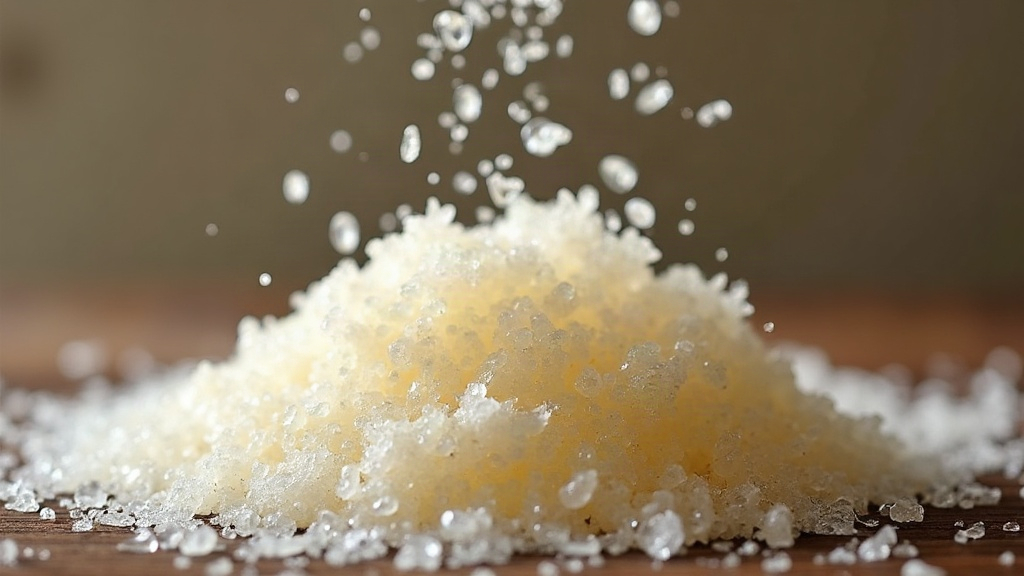
If your water kefir grains have gone slimy, stringy, or coated in something that looks like gel, take a breath first. Don’t dump them down the sink. Nine times out of ten this is just mineral depletion, a bacterial imbalance, or grains that have simply been overworked, and it’s fixable with what’s often called the mineral rest cure: a short recovery stretch in mineral-rich water with the sugar stress dialed back. Give it 3 to 7 days and most grains come back to normal.
Why Water Kefir Grains Get Slimy
That slime (some people call it “ropiness”) shows up when certain bacteria, usually Lactobacillus strains that pump out exopolysaccharides, start taking over the culture. There’s almost always a reason this happens:
- Mineral deficiency: Reverse osmosis water, distilled water, heavily filtered water. All of it strips away the calcium, magnesium, and trace minerals your grains actually need to function.
- Sugar overload or the wrong sugar type: Plain white sugar on its own, or just too much sugar for the amount of water, tends to feed the slime-making bacteria more than anything else.
- Fermenting too warm: Once you’re above 78°F (26°C), bacteria tend to multiply faster than yeast can keep up, and that imbalance shows up as slime.
- Not straining often enough: Grains left sitting in spent liquid too long basically start starving for fresh nutrients.
- Metal contact: Metal spoons, metal strainers, anything metal touching an acidic ferment can stress the culture over time.
Here’s the thing though: slime by itself isn’t dangerous. It’s a symptom, not proof of mold or contamination. But it usually means your grains are stressed, and yes, your ferments will taste worse for it (thin, a little mucousy, sometimes overly tangy).
The Mineral Rest Cure: Step by Step
This is basically giving the grains a controlled break: everything they need, nothing that stresses them further.
Step 1: Strain and Rinse (Briefly)
Pull the grains out of the slimy liquid. A quick rinse in filtered, chlorine-free water can knock off some of the excess biofilm, but don’t go overboard. Rinse too long and you risk washing away the beneficial organisms along with the slime.
Step 2: Make a Mineral-Rich Rest Solution
In a clean glass jar, mix together:
- 1 quart (about 1 liter) of filtered, chlorine-free water
- 1/4 cup organic cane sugar (skip refined white sugar for this particular rest)
- 1/8 teaspoon unsulfured molasses, or a pinch of mineral drops (a calcium/magnesium blend works)
- Optional: a small piece of unpolished eggshell, or a pinch of Himalayan pink salt, for extra trace minerals
Stir it until everything dissolves, then drop the grains in.
Step 3: Rest for 24-48 Hours
Cover loosely, keep it slightly cooler than your usual ferment spot (68-72°F / 20-22°C), and let it sit for 24 to 48 hours. Don’t drink this batch. It’s a soak, more medicine than beverage.
Step 4: Strain, Refresh, Repeat
Strain the liquid out (pour it in the garden if you want, it’s still sugary and mildly fermented, so plants won’t mind). Repeat this whole rest solution 2 or 3 more times over the next few days, checking how the grains feel each round.
Step 5: Return to Normal Feeding
Once the slime has visibly backed off and the grains feel firmer, more separated, less gluey, go back to your regular routine:
- Standard ratio: 1/4 cup sugar per quart of water
- Toss in a mineral source regularly, dried figs, raisins, or a pinch of mineral drops each batch
- Ferment 24-48 hours at 70-75°F (21-24°C)
- Strain on time. Don’t let the grains linger in finished liquid.
How to Prevent Slime From Coming Back
- Use water that actually has minerals in it. Tap water with trace minerals, or filtered water with mineral drops added, beats distilled or RO water every time.
- Switch up your sugar occasionally. A little coconut sugar or raw cane sugar mixed in with the white stuff adds micronutrients grains can’t get otherwise.
- Add dried fruit each batch. One slice of unsulfured dried fig, a dried apricot, or a few raisins goes a long way toward replacing minerals the grains use up.
- Keep metal away from the jar. Plastic or wooden strainers and spoons only.
- Don’t cram too many grains in one jar. They need space and a fresh sugar-water ratio to stay in balance.
- Watch your temperature. Try to stay under 78°F (26°C) whenever you can.
When to Worry Instead of Rest-Cure
No rest cure is going to save grains that show:
- Fuzzy mold (black, green, or orange fuzz) - toss the whole batch, no exceptions
- A genuinely rotten smell, not just sour or tangy, but actually foul
- Pink or orange discoloration directly on the grains
These aren’t mineral problems. That’s real contamination, and for safety’s sake the grains need to go.
Conclusion
Slimy water kefir grains are annoying, sure, but they’re rarely a sign your culture is dead. Most of the time it’s just mineral depletion and bacteria out of balance, both of which respond well to a short mineral rest: mineral-rich water, a touch of molasses or trace minerals, a slightly cooler resting spot, and a few days of patience. Most grains firm back up within a week. Keep feeding them minerals afterward (dried fruit, decent water) and slime turns into an occasional annoyance instead of something you’re dealing with every other batch.