Beginner's Guide to Culturing Cashew Cream Cheese at Home
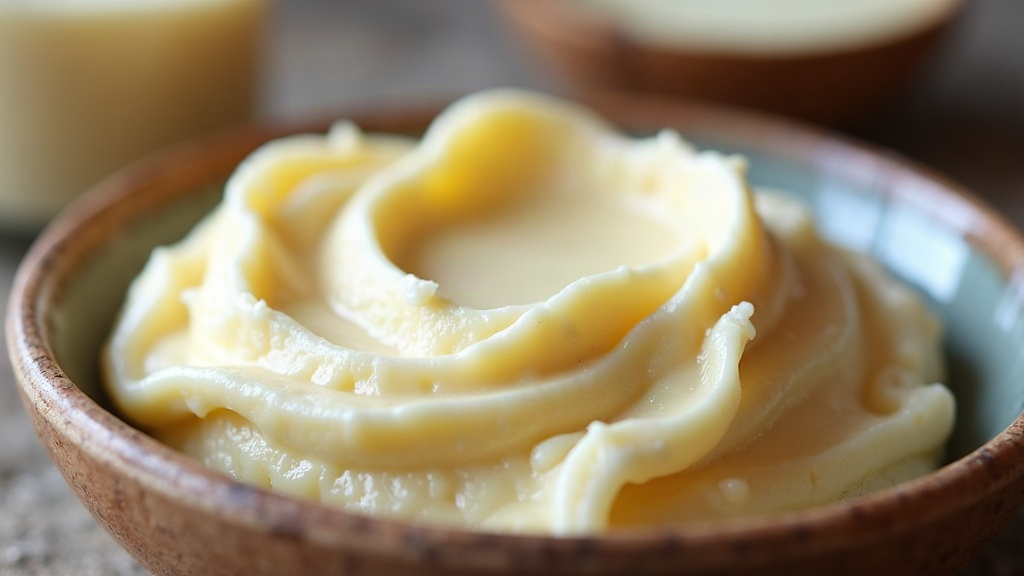
If you’ve ever bitten into a wedge of vegan cashew cheese and wondered how it got that tangy, slightly funky edge, the answer is fermentation. Culturing cashew cream with rejuvelac or probiotic capsules turns a simple blended nut paste into something genuinely alive: loaded with beneficial bacteria, deeper in flavor, and easier on digestion than the raw version. This guide walks through exactly how it’s done, step by step, whether you’ve never fermented anything before or you’re just new to nuts as a medium.
Why Culture Cashew Cheese at All?
Soaked cashews blended with lemon juice and salt give you something edible, sure, but it tastes flat. More like seasoned nut butter than actual cheese. Fermentation is what closes that gap:
- Tangy, cheese-like flavor develops naturally from lactic acid bacteria, no bottled acidifiers required.
- Probiotic content climbs, which is good news for your gut.
- Texture improves too, turning firmer and slightly aerated as the cultures produce gas and chew through starches.
- Shelf life stretches out well beyond what you’d get from an unfermented cashew spread.
Choosing Your Culture: Rejuvelac vs. Probiotic Capsules
Rejuvelac
Rejuvelac is a fermented liquid made from sprouted grains, usually wheat berries, quinoa, or brown rice, soaked in water for 2 to 3 days until it turns faintly sour and fizzy. It’s the old-school choice among raw vegan cheesemakers, and for good reason: it costs almost nothing, carries a wide mix of wild bacteria and enzymes, and lends a subtle, layered tang you don’t get from a single strain.
Pros:
- Free or close to it
- Naturally diverse microbial culture
- The classic raw-food route
Cons:
- Needs 2-3 days of lead time
- Requires grains (fine if you use quinoa or rice, less so if you’re strictly gluten-free)
- Flavor drifts from batch to batch
Probiotic Capsules
Cracking open a few vegan probiotic capsules (look for strains like Lactobacillus acidophilus or Bifidobacterium) straight into your cashew mix is the fast lane, and a far more predictable one.
Pros:
- Ready to go, no advance prep
- Consistent, repeatable results
- You control exactly which strain and how potent
Cons:
- You’re buying capsules every time
- Less microbial diversity than rejuvelac offers
- Some capsules carry fillers that can dull or skew the taste
Step-by-Step: Basic Cultured Cashew Cream Cheese
Ingredients
- 2 cups raw cashews, soaked 4-8 hours
- 1/2 cup rejuvelac or 2-3 opened probiotic capsules + 1/4 cup filtered water
- 1/2 teaspoon salt (added after culturing, not before)
Instructions
- Drain and rinse the soaked cashews well.
- Blend them with the rejuvelac (or water plus probiotic powder) until totally smooth. A high-speed blender makes a real difference here; pour the liquid in gradually so you don’t end up with a gritty paste.
- Transfer the mixture into a clean glass bowl or jar. Cover it loosely with a breathable cloth held on with a rubber band. That lets gas escape while keeping fruit flies and dust out.
- Let it culture at room temperature (68-75°F / 20-24°C) for 12 to 24 hours. A warmer kitchen speeds things along, so check around the 12-hour mark to see how tangy it’s getting.
- Taste it as you go. You want a pleasant sourness, something in the neighborhood of plain yogurt or a young chèvre, not sharp, not unpleasant.
- Stir in the salt once the flavor’s where you want it, then refrigerate. The chill firms the texture up and slows fermentation almost to a stop.
Troubleshooting Common Issues
- No tang after 24 hours? Your room is probably too cold, or the rejuvelac (or capsules) weren’t active enough to begin with. Move it somewhere warmer or try a fresh batch.
- Pink or fuzzy spots on top? Toss it. Don’t taste-test to check. That’s mold, usually from contaminated equipment or leaving too much surface exposed to air.
- Ended up too sour or fizzy? You let it run long. Refrigerate earlier next time, an hour or two can make a real difference.
Flavoring Your Cultured Cheese
Once it’s cultured, the base is basically a blank canvas. Some go-to additions:
- Fresh herbs (chives, dill, basil)
- Roasted garlic or garlic powder
- Cracked black pepper and smoked paprika
- Nutritional yeast for a savory, umami kick
Fold these in right after culturing, just before it goes in the fridge.
Storage and Shelf Life
Kept in an airtight container in the fridge, cultured cashew cheese holds for 7 to 10 days. Oddly enough, the flavor often gets better after a day or two, as it settles and mellows out.
Final Thoughts
Culturing cashew cream cheese with rejuvelac or probiotic capsules is one of the easier doors into vegan fermentation, and one of the more satisfying ones. Rejuvelac gives you that traditional, cheap route with real complexity in the flavor. Probiotic capsules trade some of that depth for speed and reliability. Either way, you end up with something far more interesting than plain cashew paste: a living, tangy, gut-friendly cheese alternative that earns a regular spot in the fridge.